
We went to Takayama for its for Autumn Festival with no expectations. Expectations surpassed.
Heading to Takayama from Kanazawa was chaotic and crowded. While we had pre-booked reserved seats, the train was so packed that people were standing in the reservation cars with nowhere else to go. In our case, having reserved seats was money well spent.
We have learned a trick. Shipping bags ahead of our arrival is hassle-free and surprisingly inexpensive. This allows us to get to the trains unencumbered, get lost and confused trying to find the right train and the right platform, and maybe even have time to pickup a self-heating bento box for the journey.
Why were over 300,000 people descending on this small Japanese town in the mountains? Shrines and puppets.
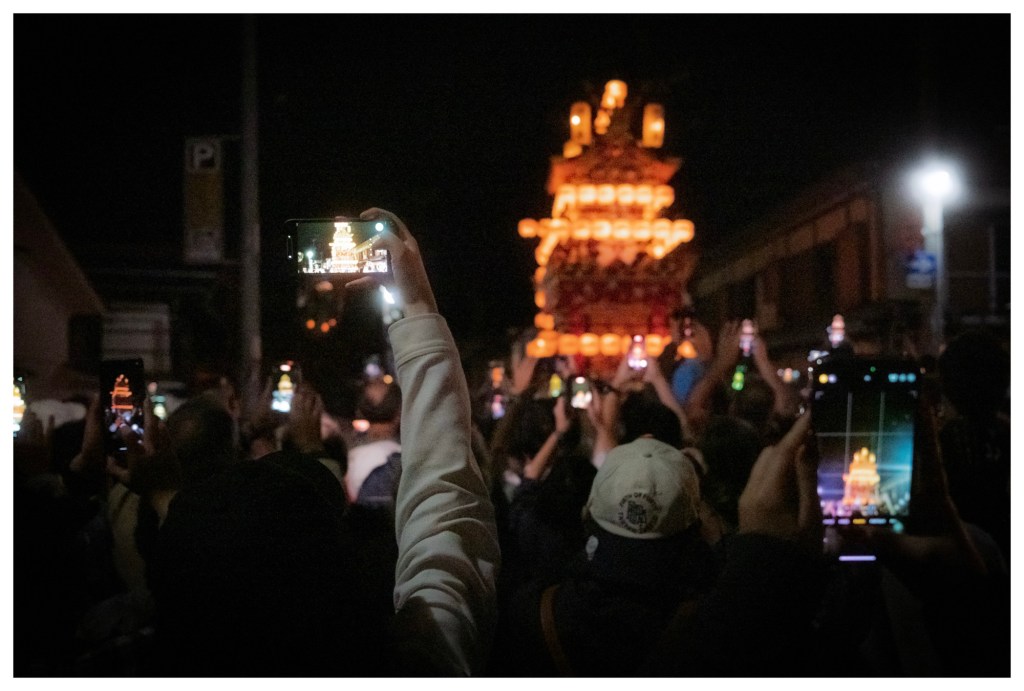
The festival, or Hachiman Matsuri, is an annual festival for Sakurayama Hachimangu Shrine to celebrate a good harvest in autumn. There are 11 (10 this year because one is in the shop for maintenance — you understand why when you see them) matsuri-yatai festival ‘floats’ in the area, and they are paraded around at specific times during the day and then again at night while all lit up. And, there is one particular float that gets all the attention.
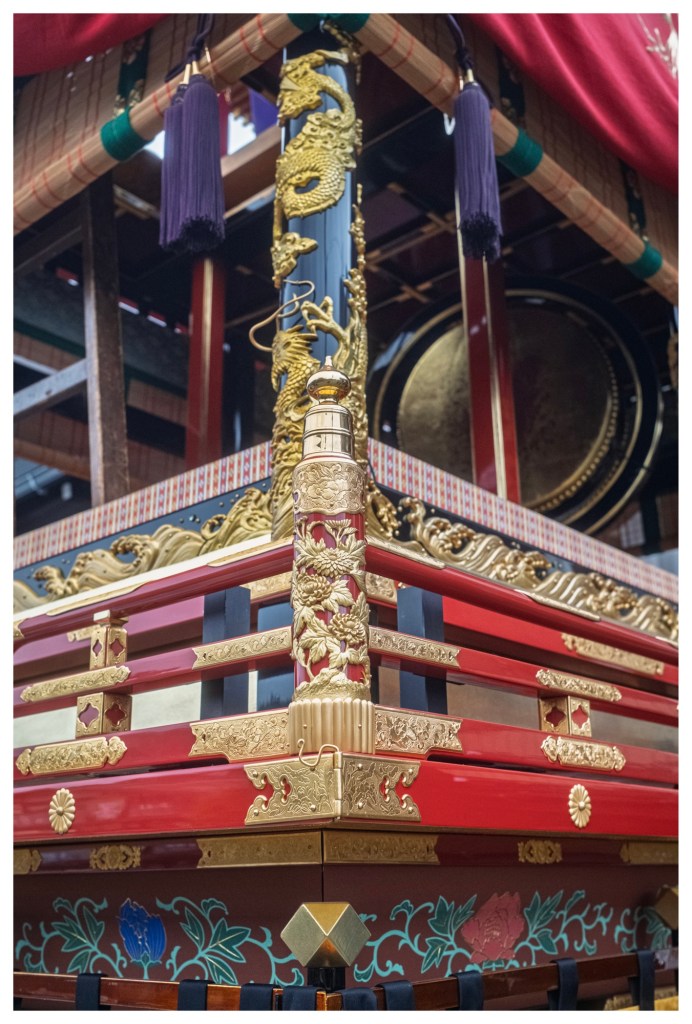
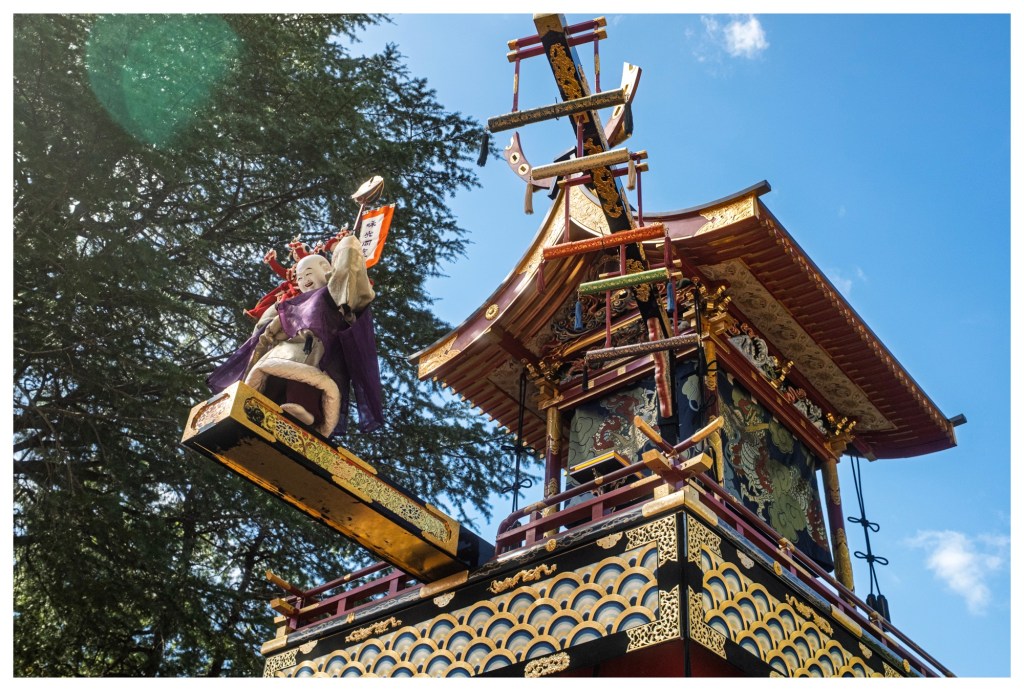
The “floats” are called dashi, and are typically the highlight of many Japanese festivals like the Takayama and Gion festivals. They feature intricate craftsmanship, sculptures, textiles, and sometimes even marionette shows. Spoiler. The dashi are up to 400 years old and have been meticulously maintained to be paraded just for the autumn and spring festivals.
The Takayama Hachiman Matsuri is ranked as one of Japan’s three most beautiful festivals.
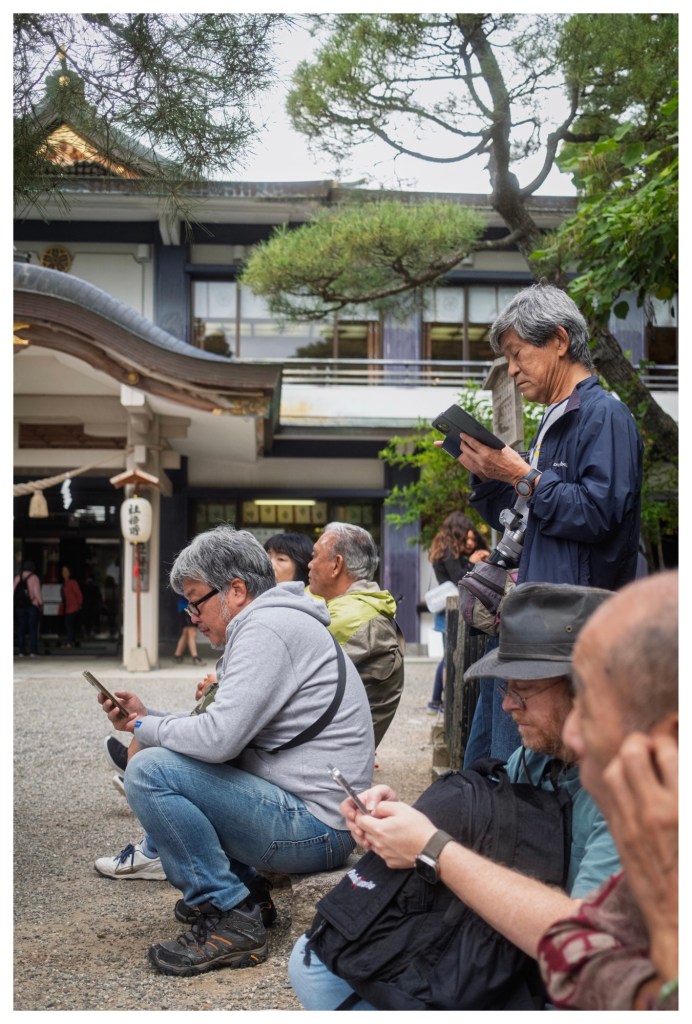
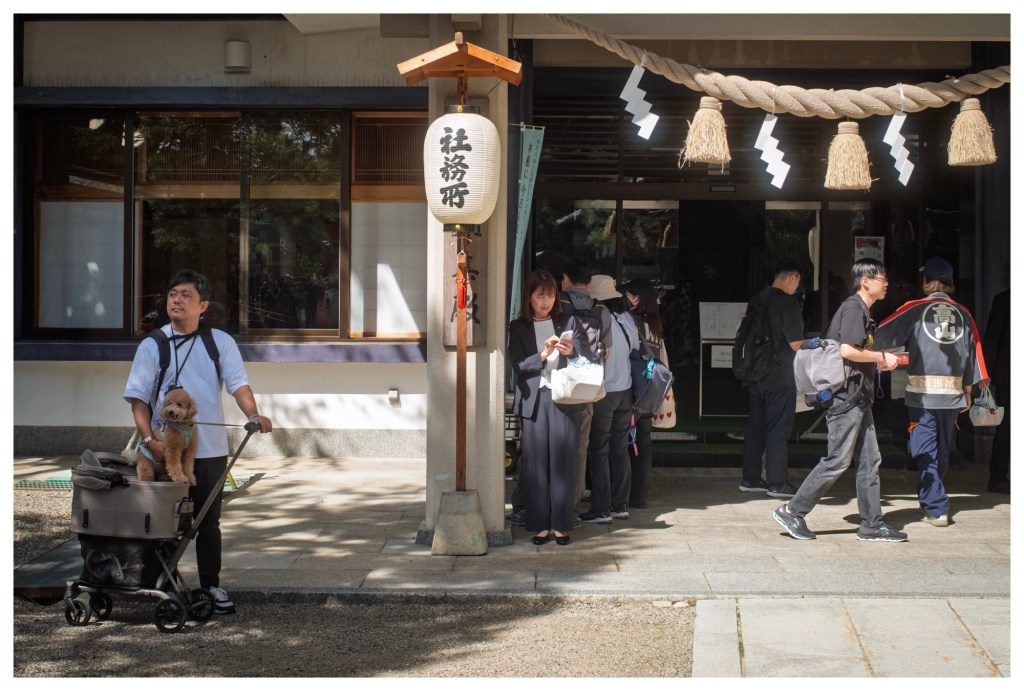
There was definitely a lot of anticipation and energy in the Takayama community for this. And not all touristy. In fact, most of those attending appeared to be from Japan. Like our fall apple-picking custom in the U.S., but so much better.
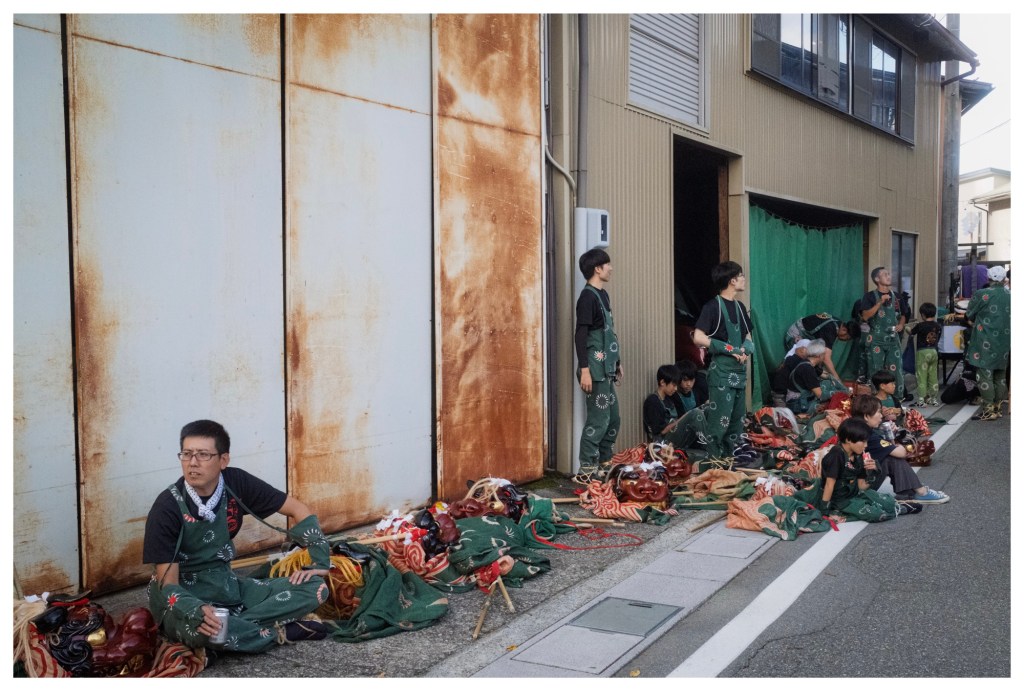
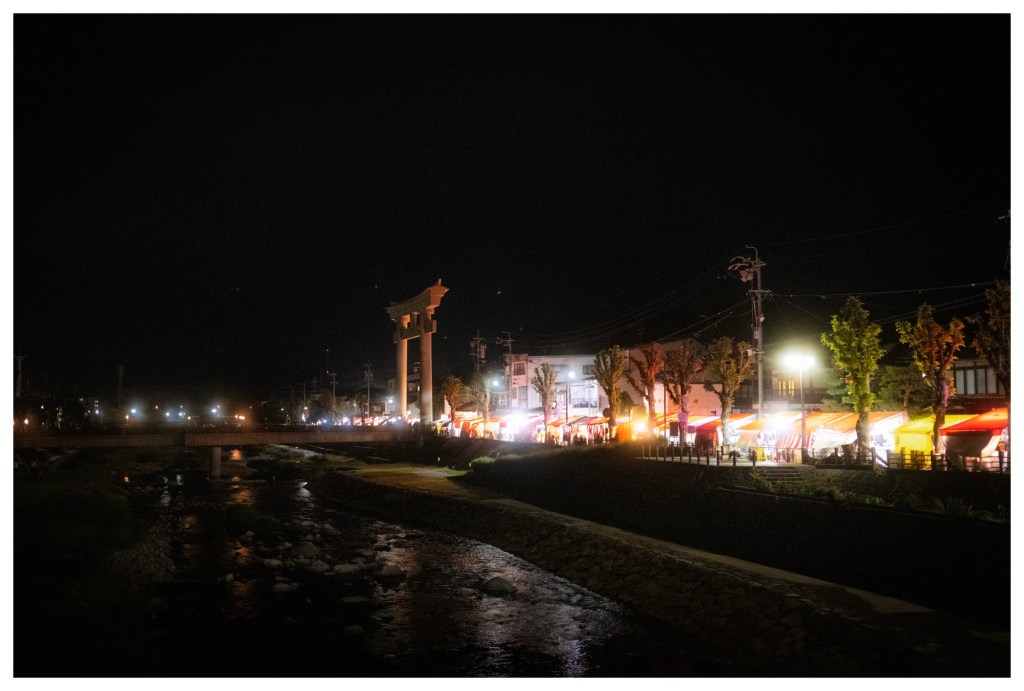
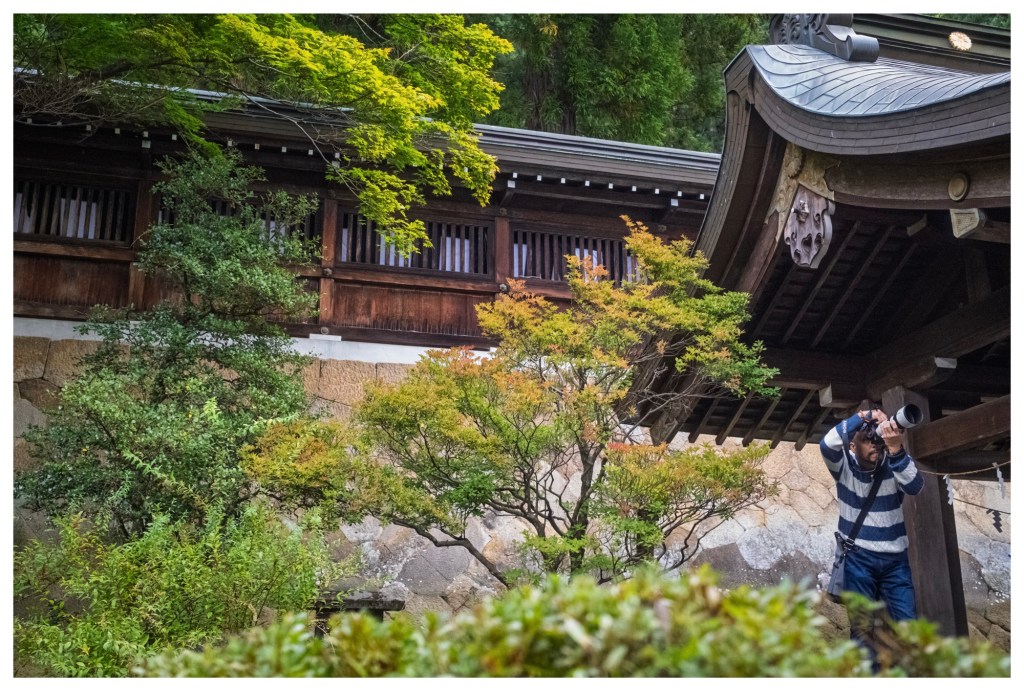
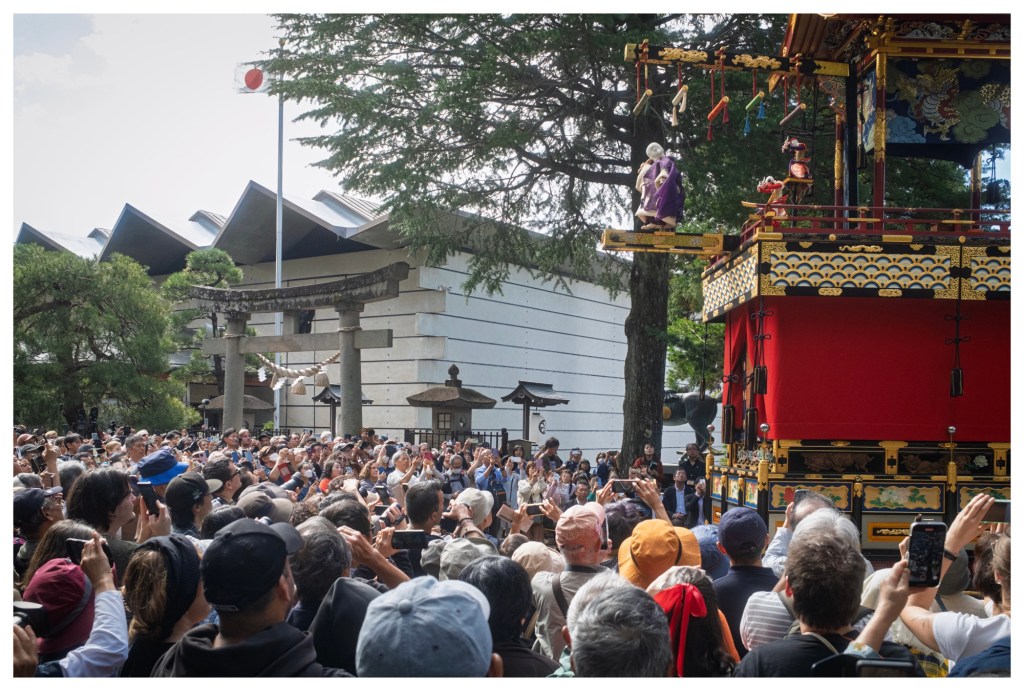
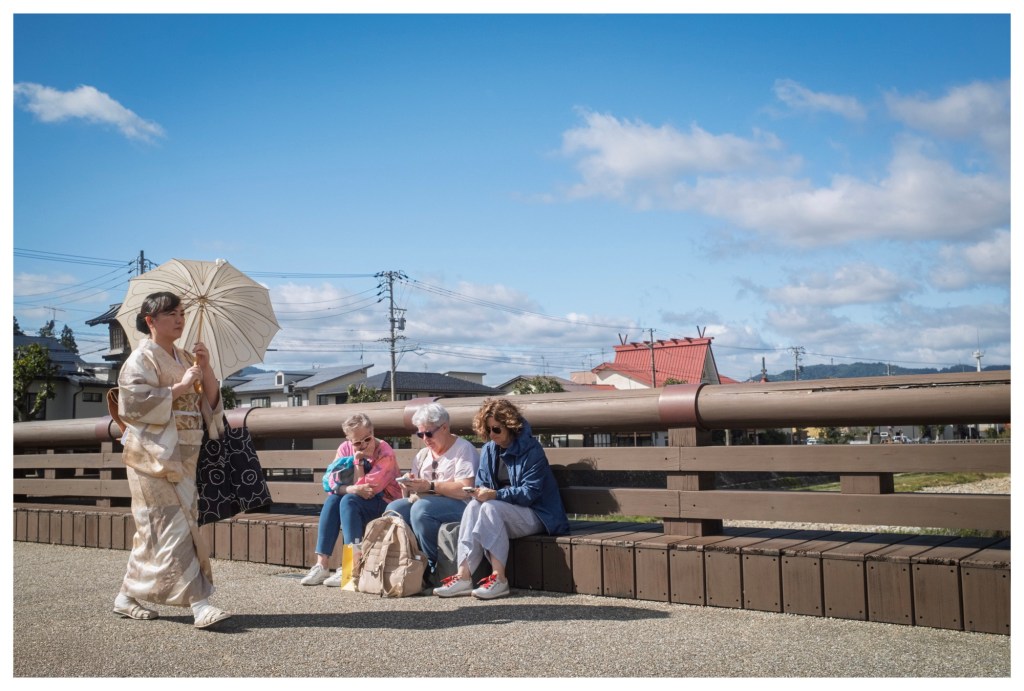
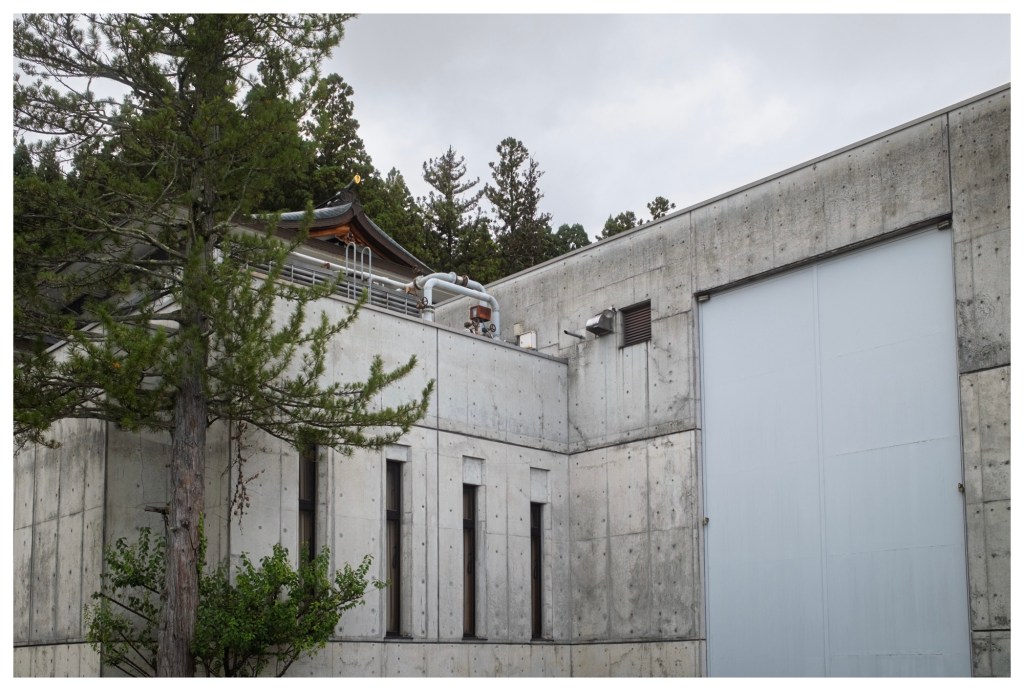
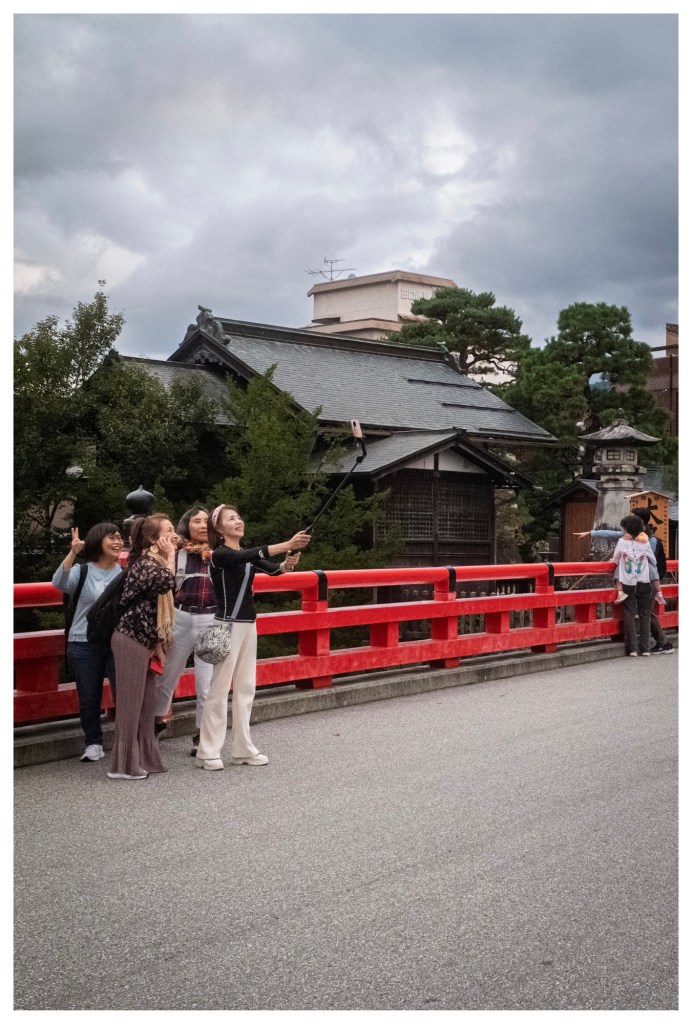
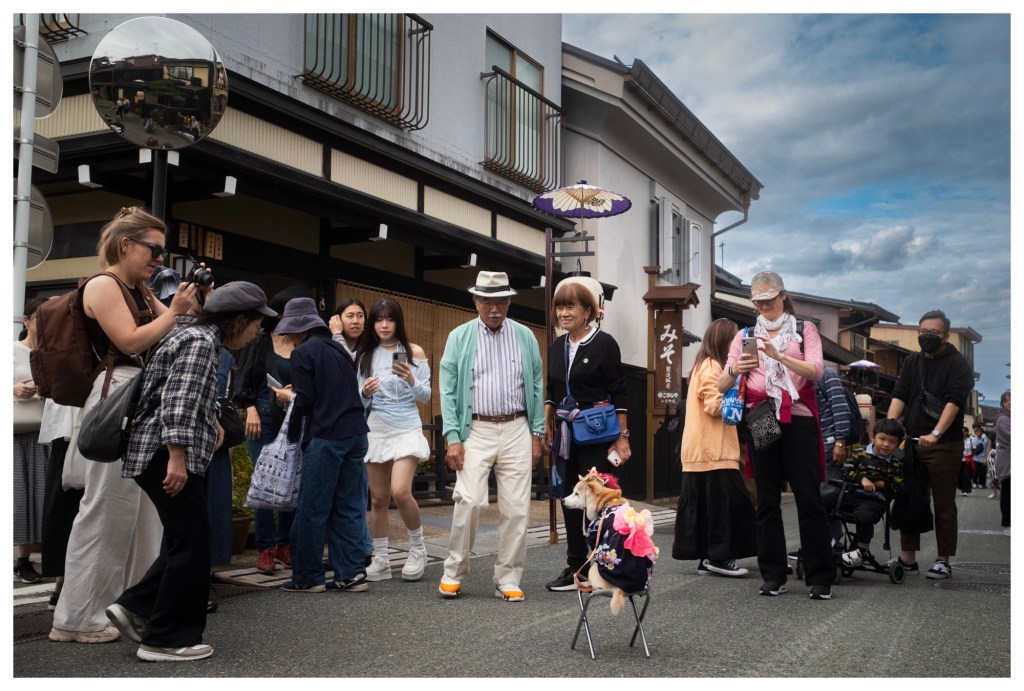
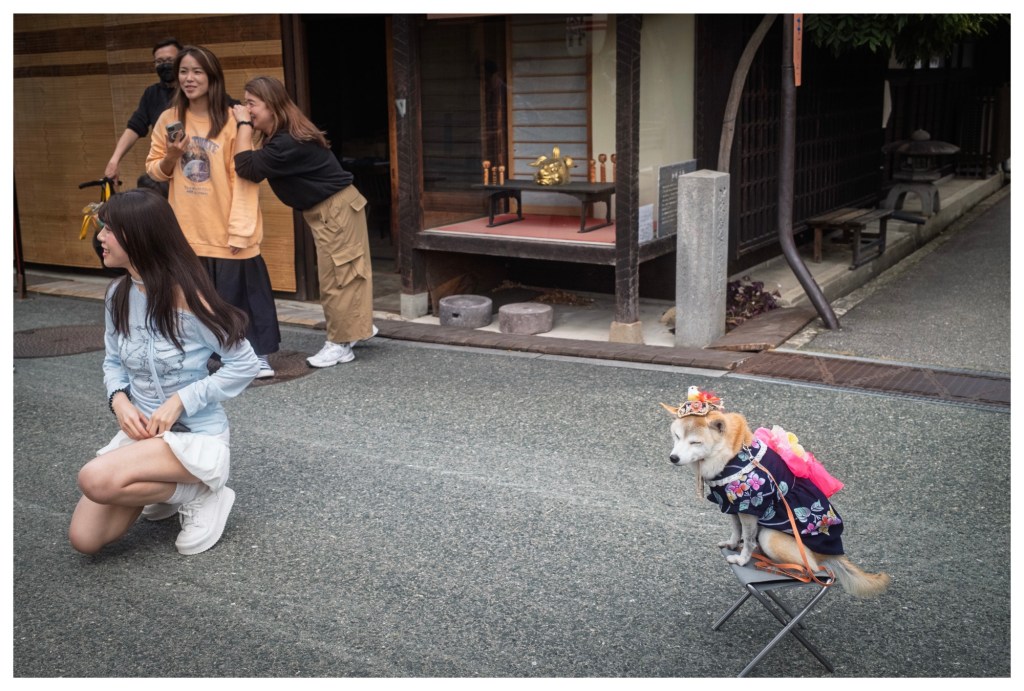
In the photos, I tried to capture the anticipation, energy, and genuine commitment to continuing this 500-year-old tradition. There are lots of street scenes and crowds, with details of the dashi mixed in.
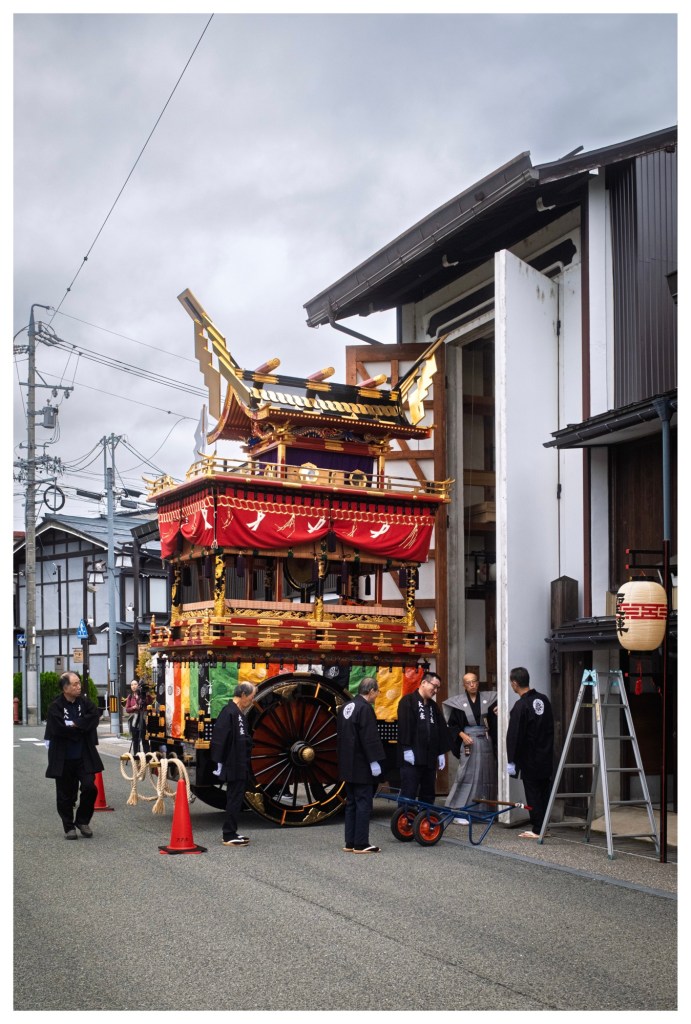

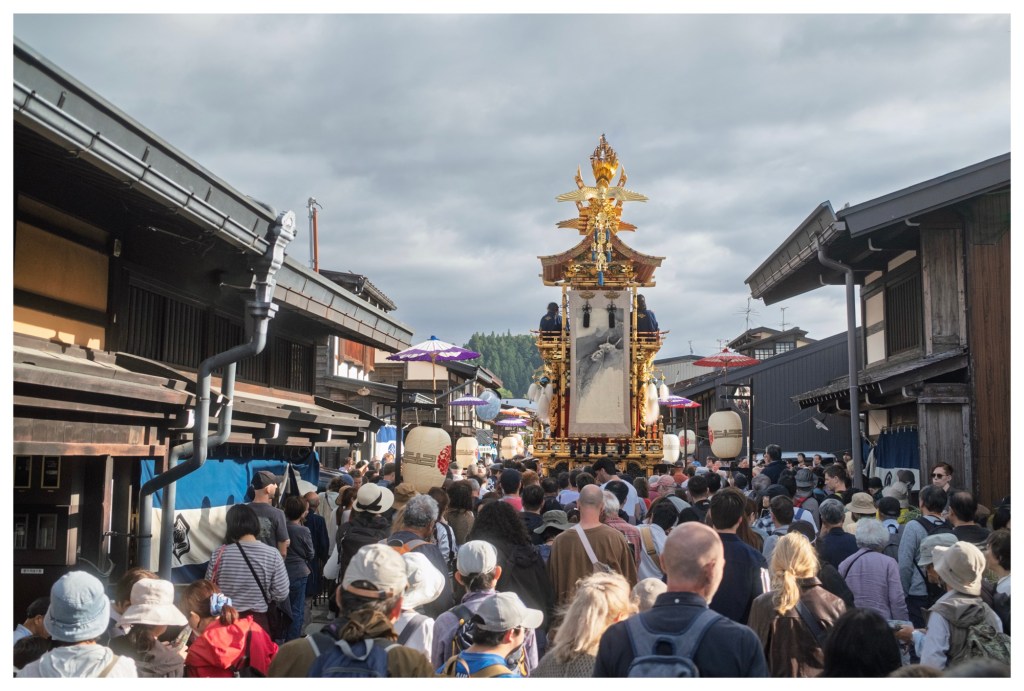


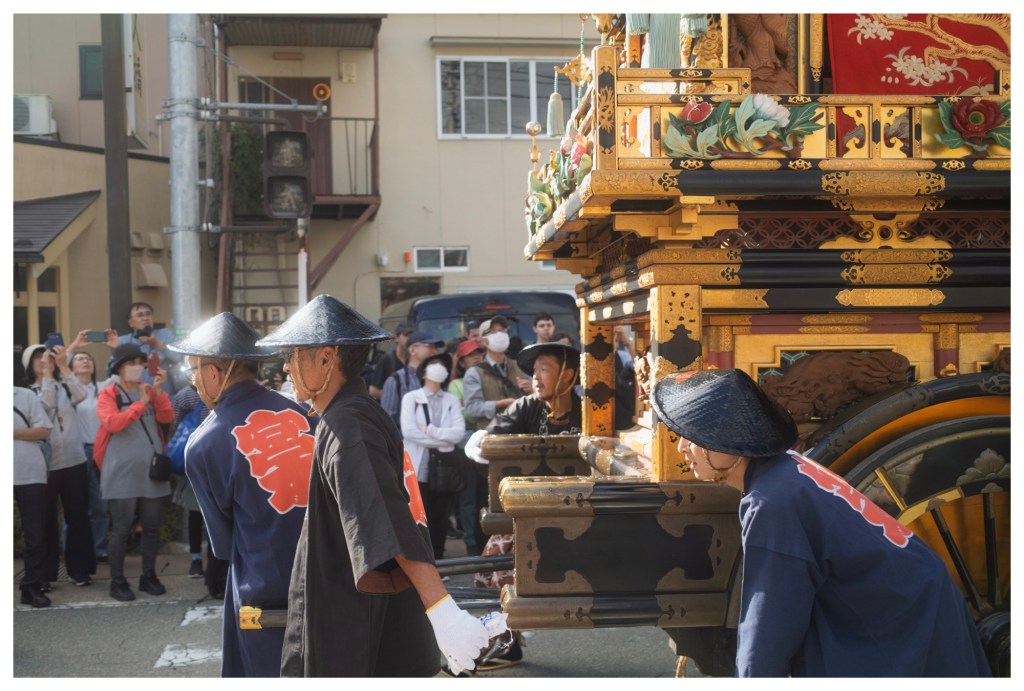


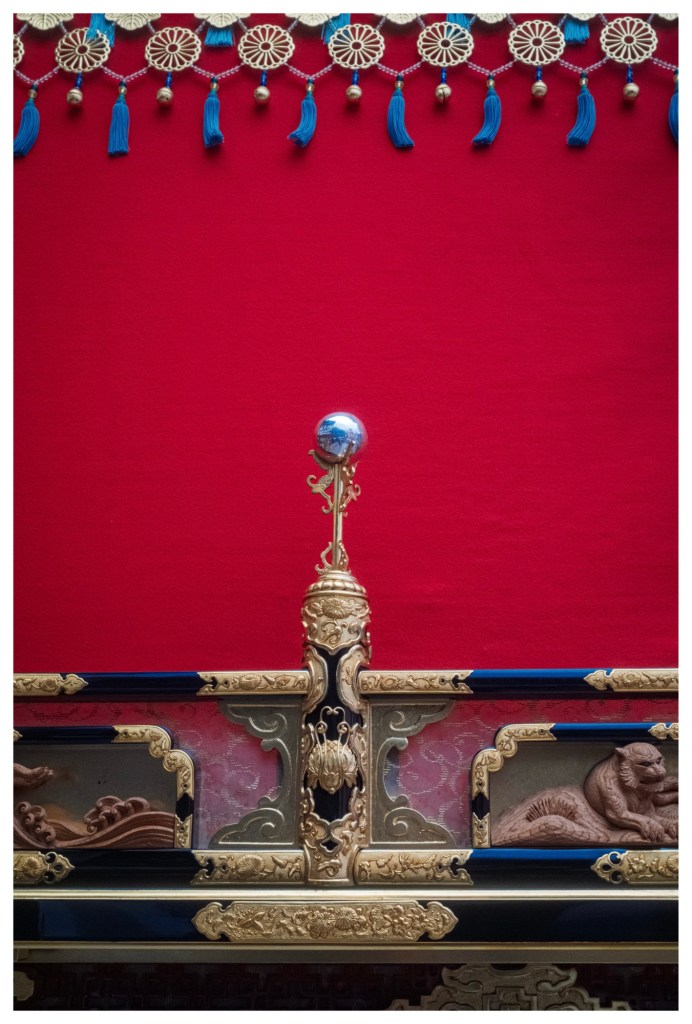

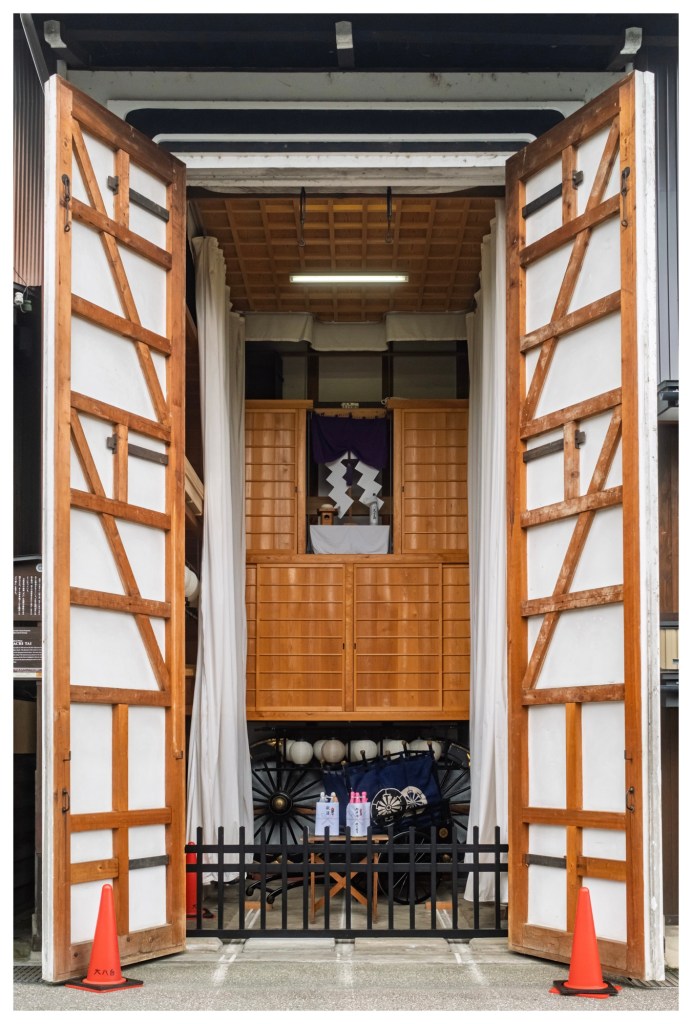
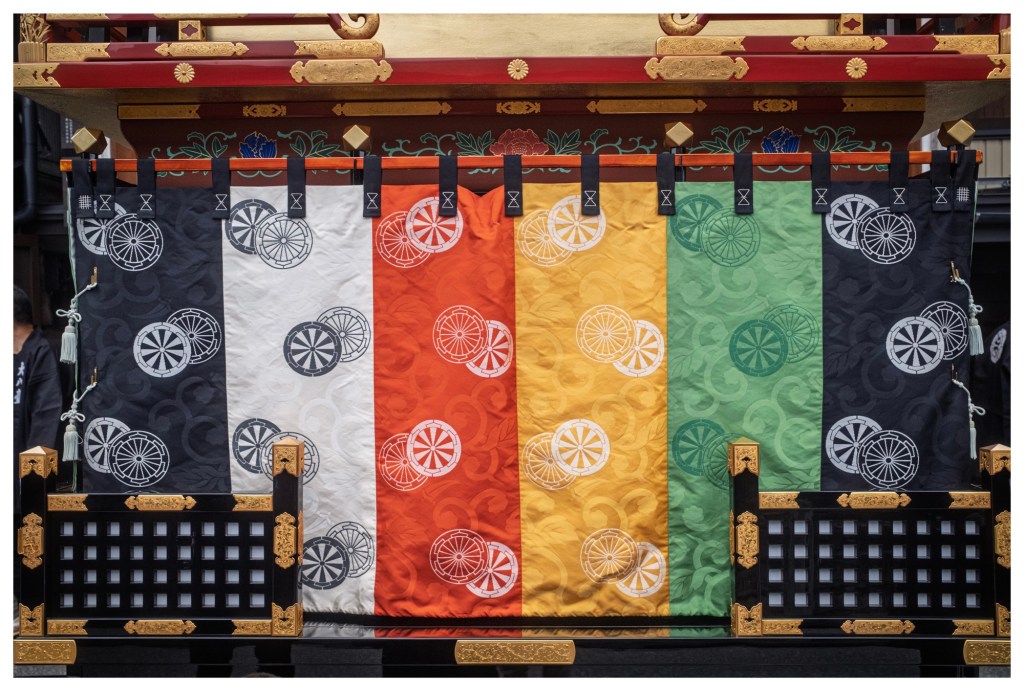


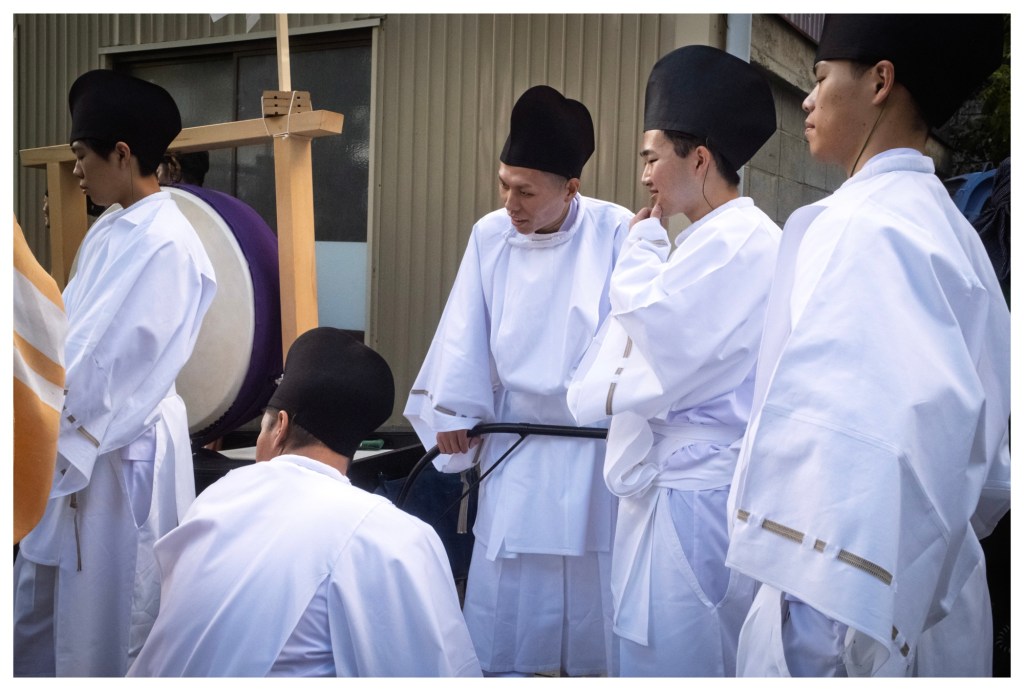

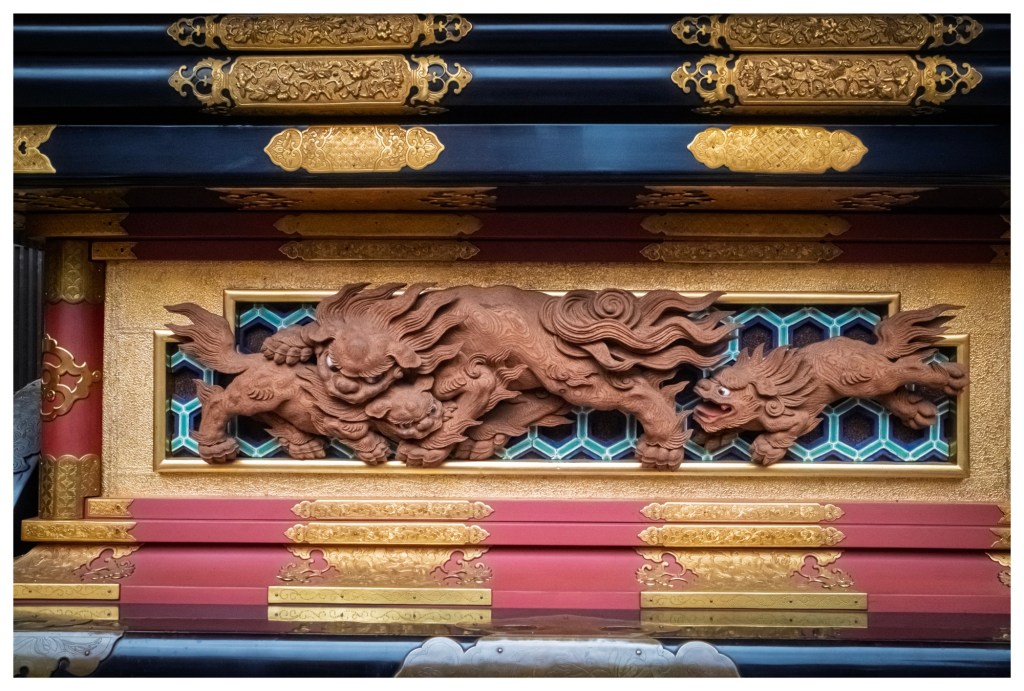
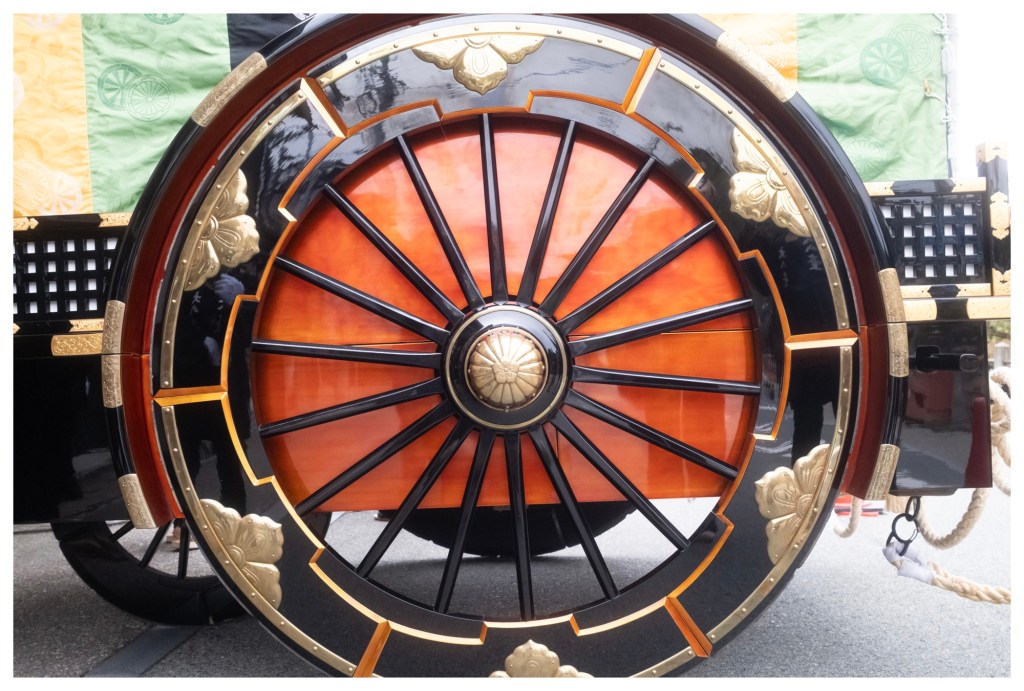
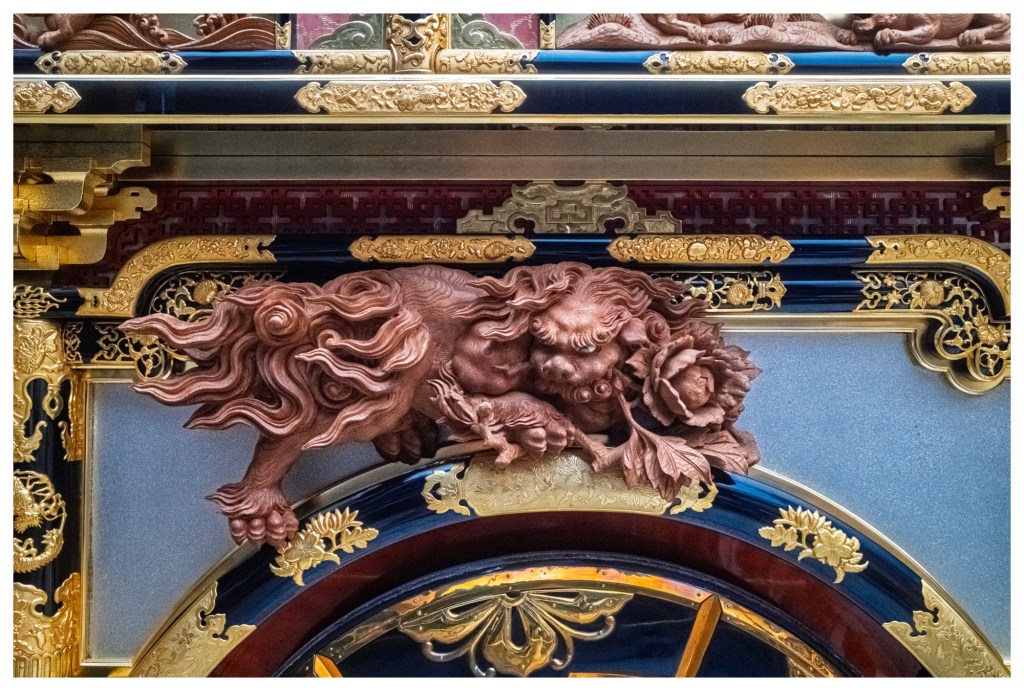


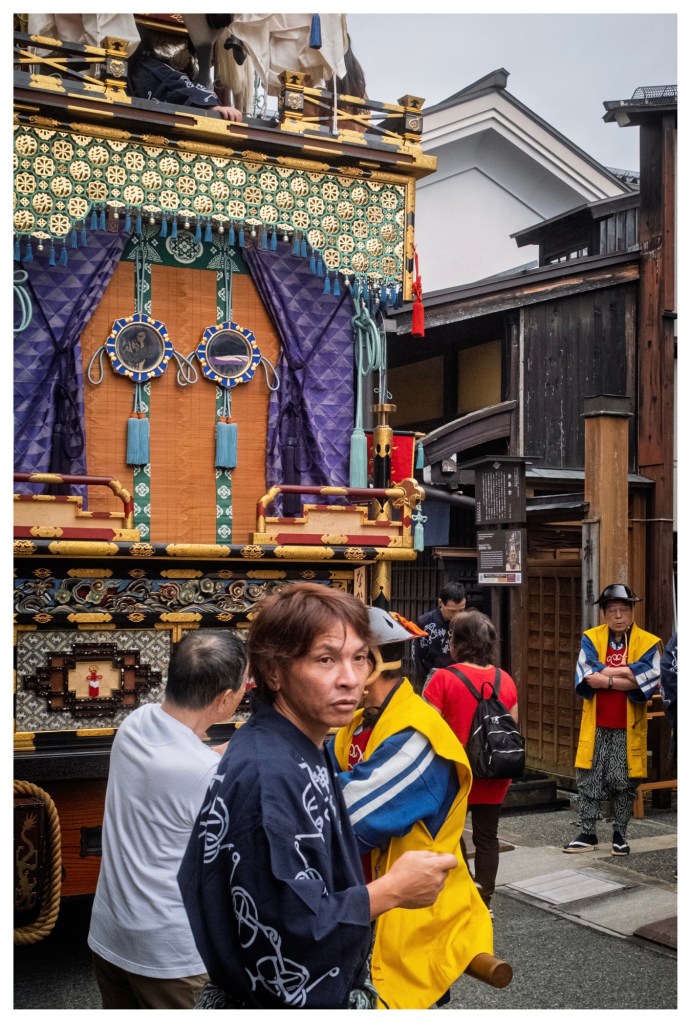
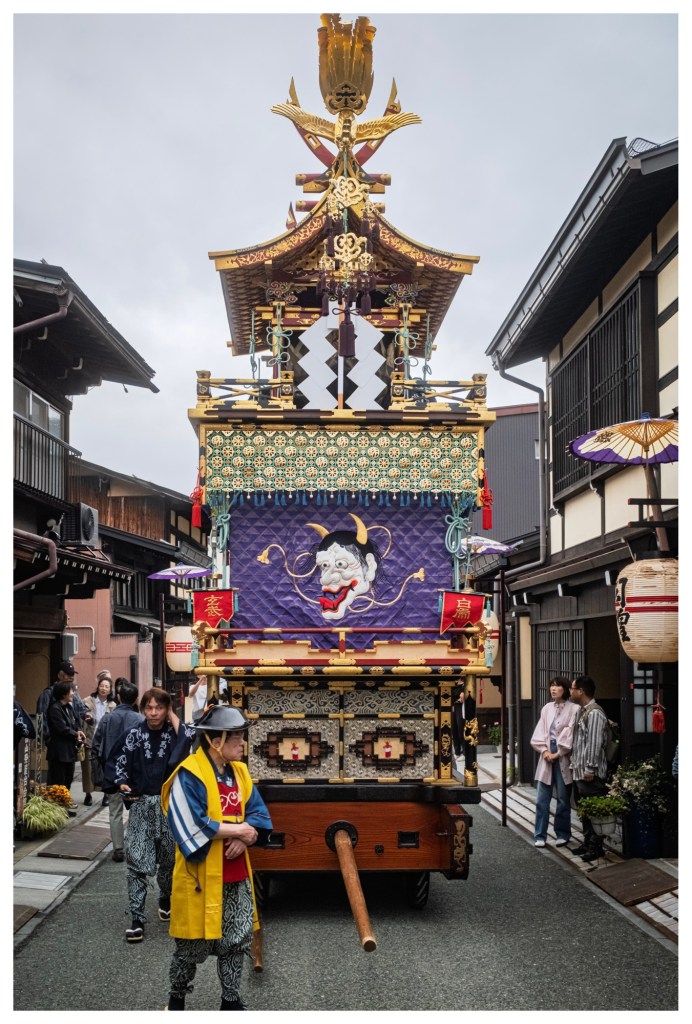




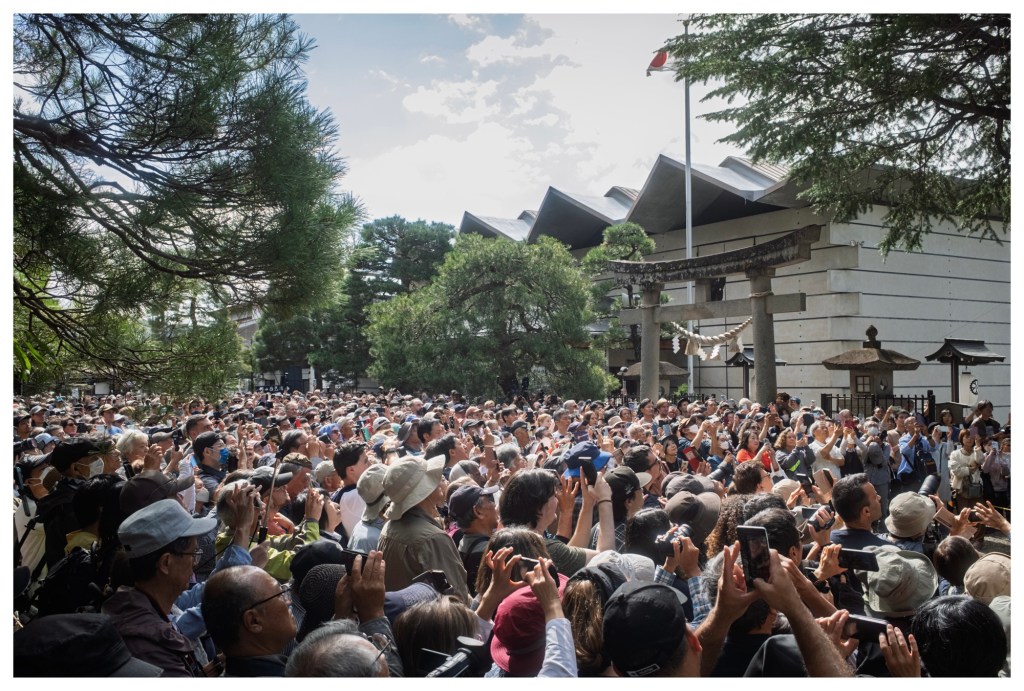
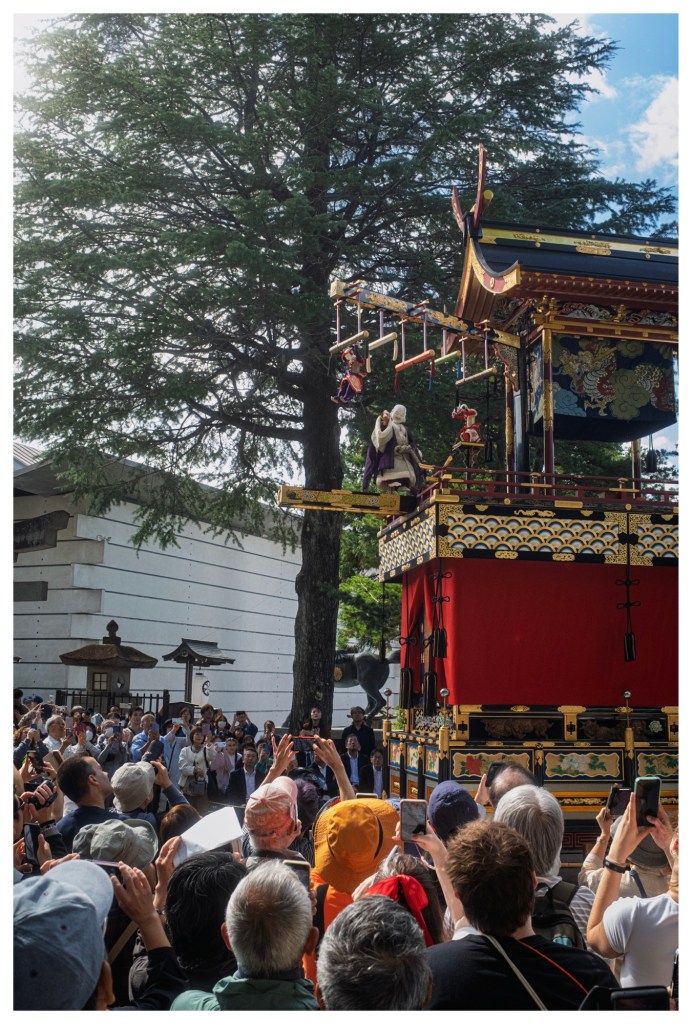
One of the most amazing things about the festival is the dashi float with built-in marionette puppets. A marionette is performed twice during the festival, once per day. The number of people who were excited to see this was impressive. We had read enough about it to know we should be there early to get a good view and we were clearly not alone. People started gathering hours before. Debbie got there an hour early (I wandered and took photos) so we had a great spot to see the performance and the crowd.
There were three puppets, a large one and two small ones. The small ones appeared to be acrobats that did some stunts — very slowly. They both ended up on the larger puppet’s shoulders as it moved forward and backwards on its platform. To us, there didn’t appear to be much action, but we loved how the community was genuinely thrilled with this centuries-old folk tradition, and so appreciative of the skill that requires a group of puppeteers to work from inside the float and manipulate dozens of hidden strings, springs, and gears to move the puppets.
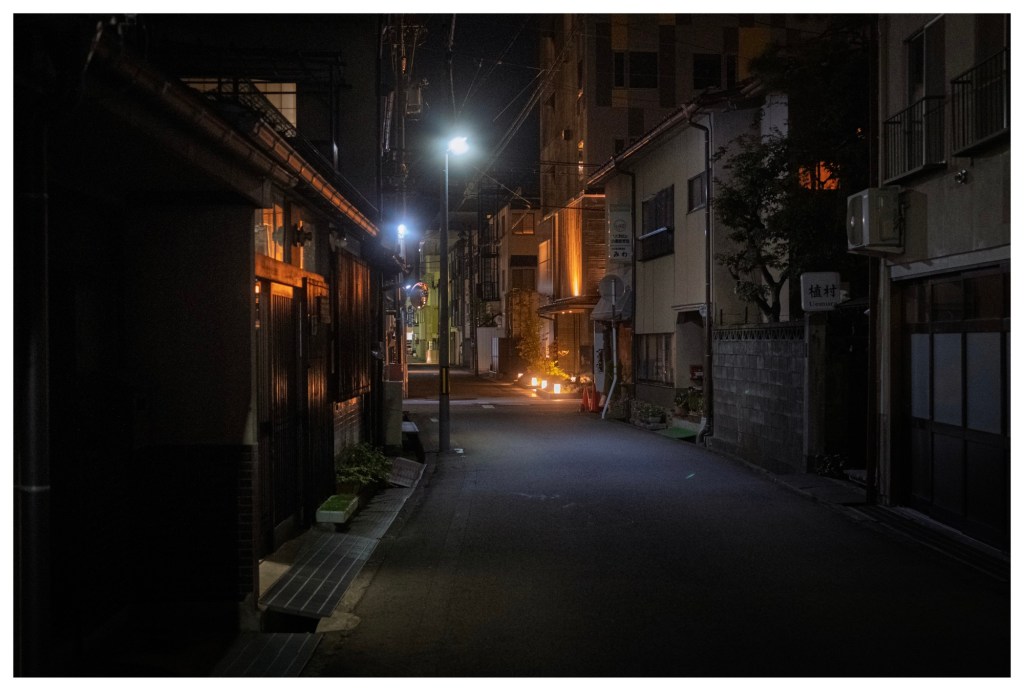
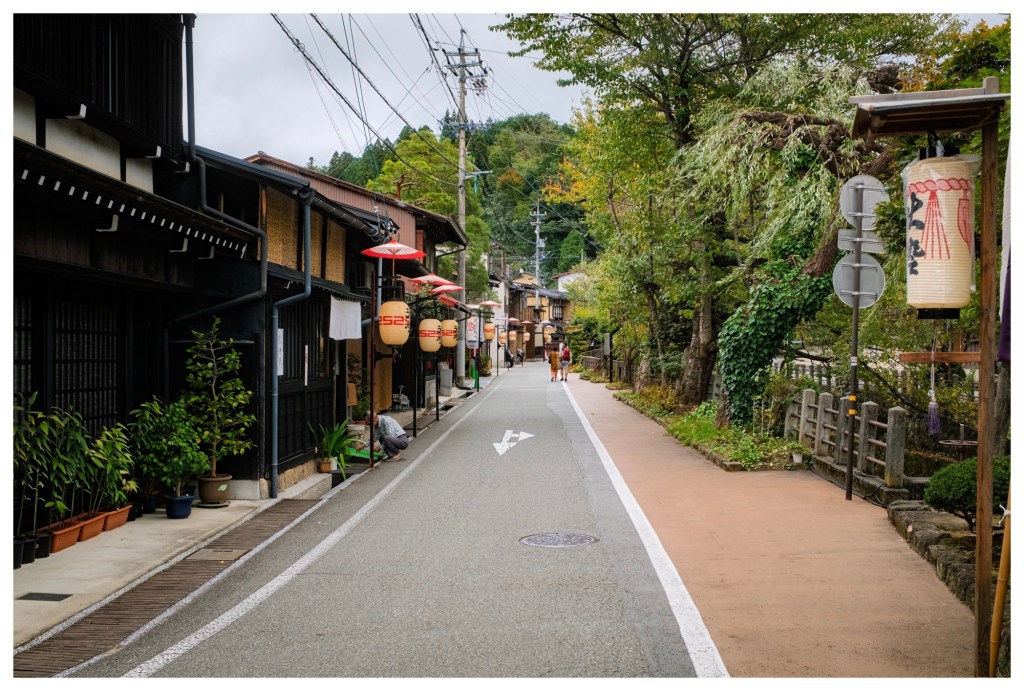
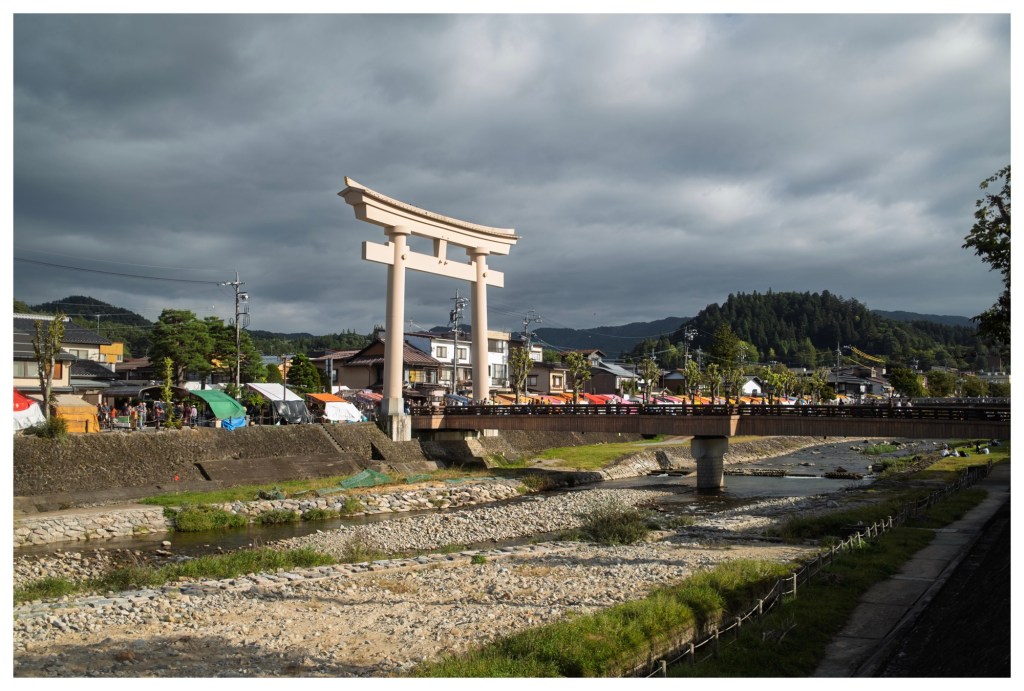
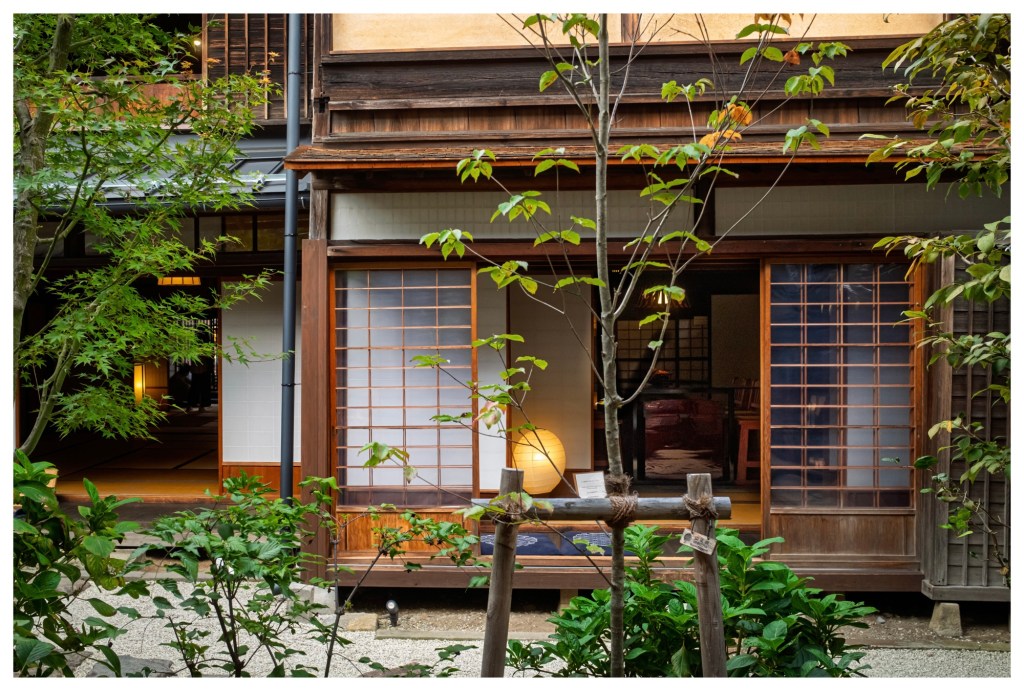
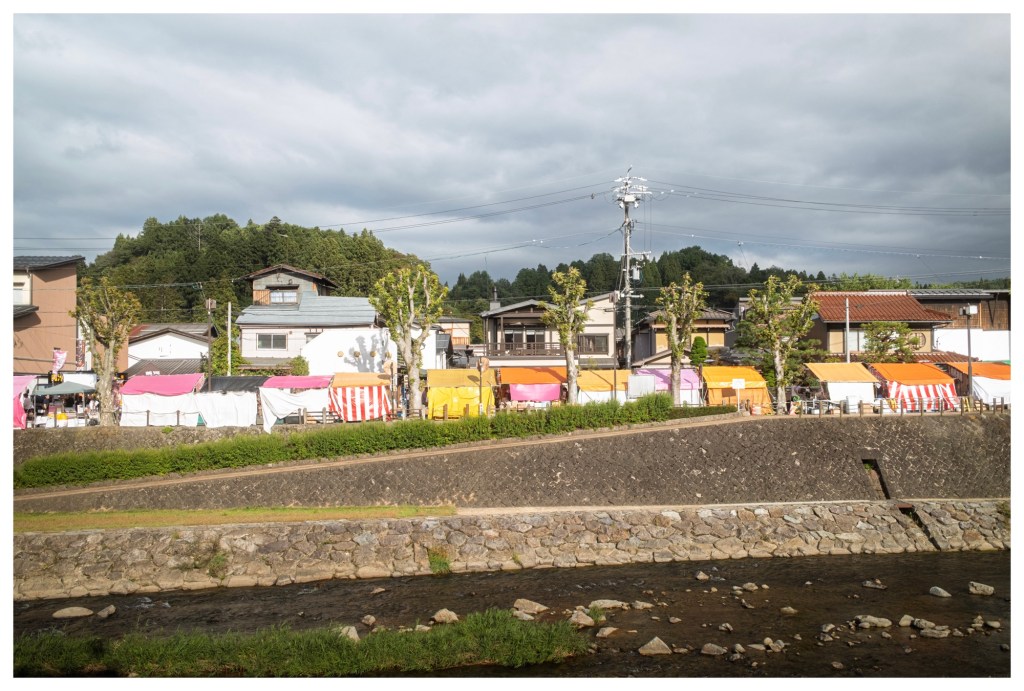
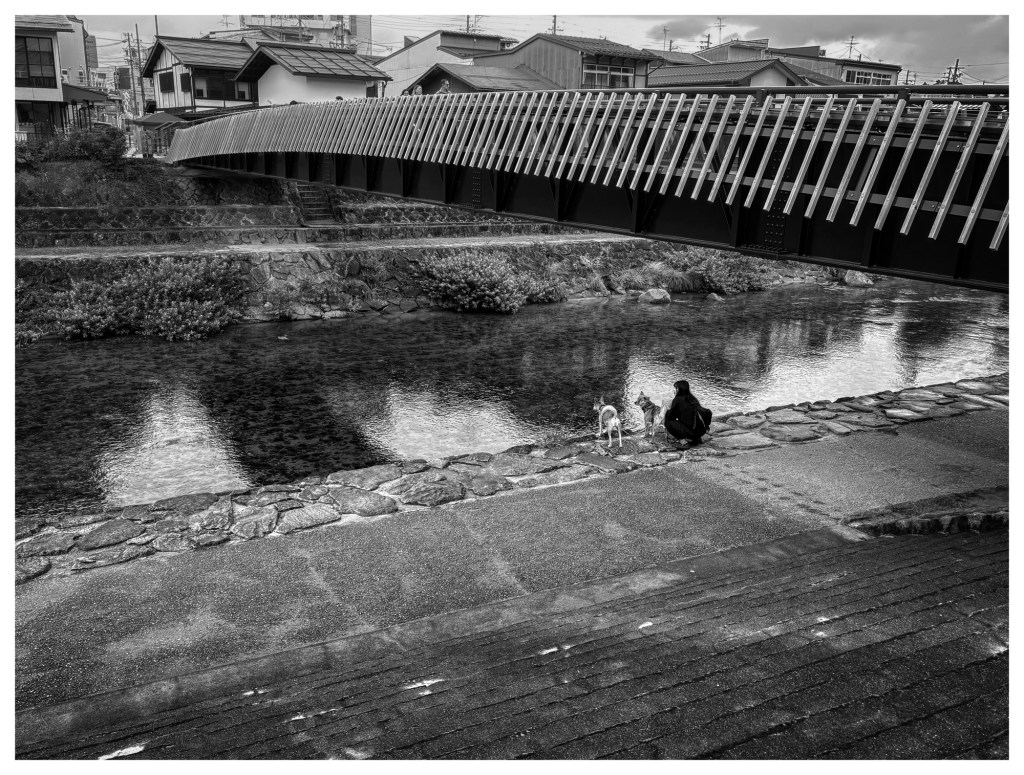
Apart from the Autumn festival, we really enjoyed Takayama. The festival added color and people to the town, but I suspect it would still be very interesting — just chiller — on regular days. The streets had a lot of interest with very old buildings being used as stores and restaurants, in the same way as they have always been. There is a river running through the center of town and small canals run through most of the streets. A great stop!






 Observed