
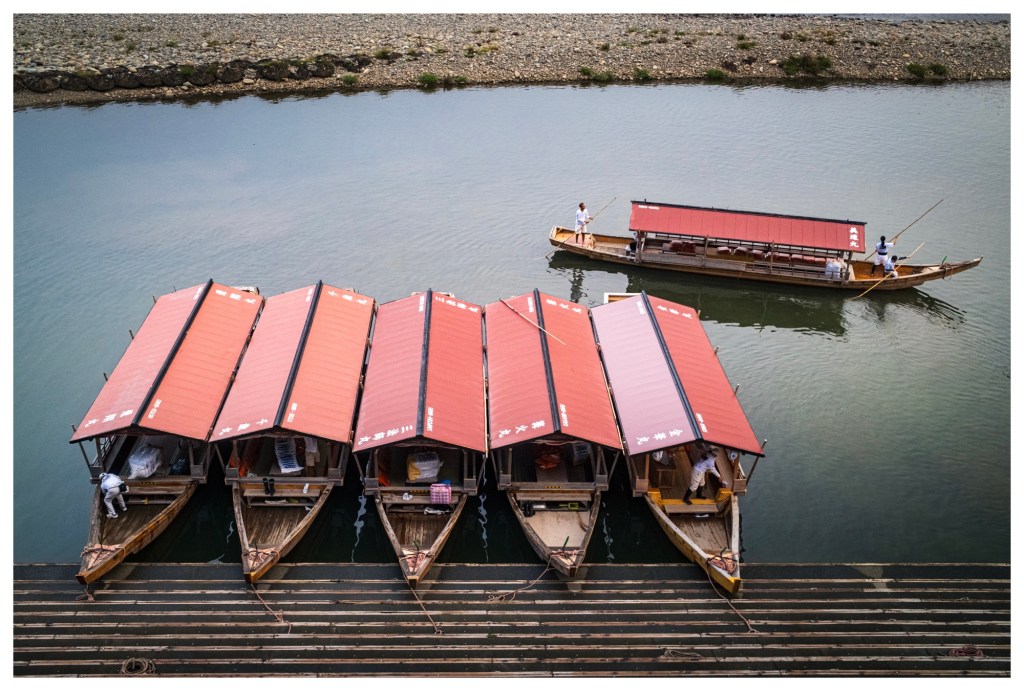
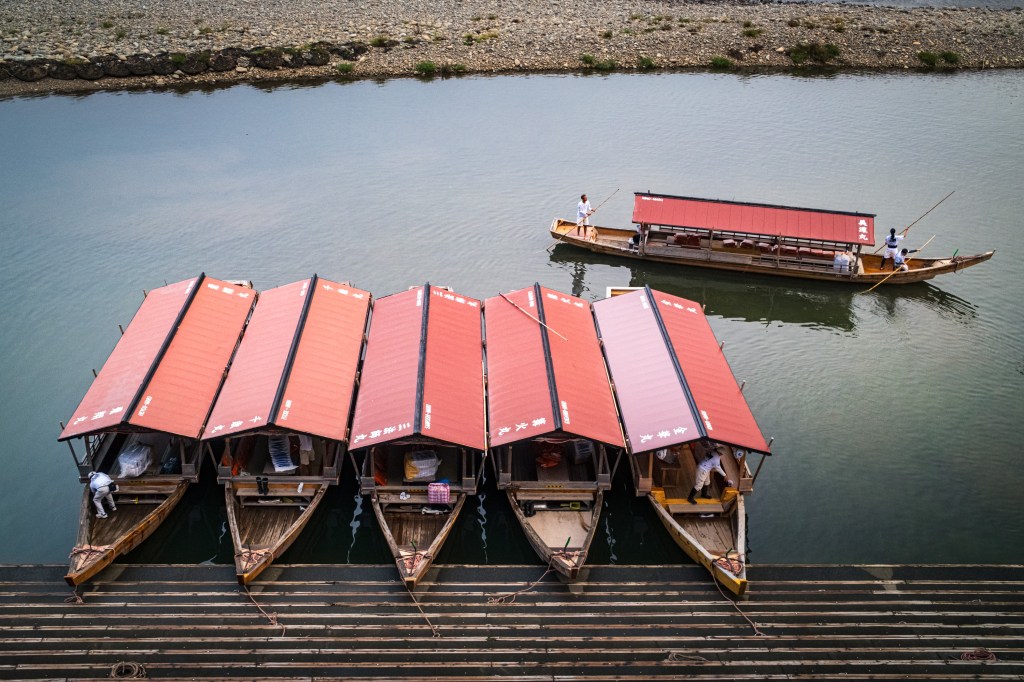
We spent an evening in Gifu watching ukai — the traditional practice of cormorant fishing on the Nagara River. It’s something we’d read about and wanted to see: fishermen guiding trained birds by torchlight, using them to catch river fish in a ritual that dates back more than a thousand years.
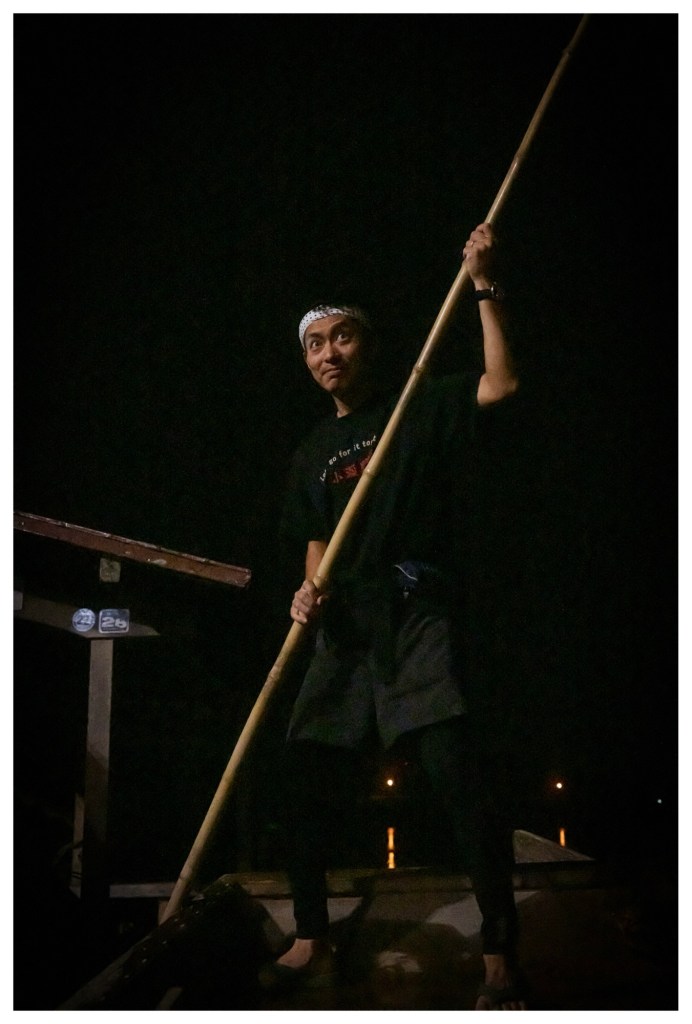
It was beautiful, in a way — firelight reflecting off the water, the calls of the usho (fishermen), sharing a boat with Japanese people who were proud and excited to witness the event. But we had mixed feelings about it. It’s clear the practice today is more performance than livelihood, kept alive for visitors like us rather than as a way of life. And while the birds seem well cared for, watching them work under restraint — with cords around their necks to keep them from swallowing the fish — made us uneasy.
Still, there’s something deeply admirable about Japan’s commitment to preserving its cultural heritage. Even when the traditions evolve into rituals rather than necessities, they’re a respected and valued link with the past. We came away feeling reflective rather than critical. We’re guests here, and our goal is to observe with curiosity and respect, not to pass judgment.
It”s another reminder that travel often holds both beauty and discomfort. Like everything else.



 Observed