

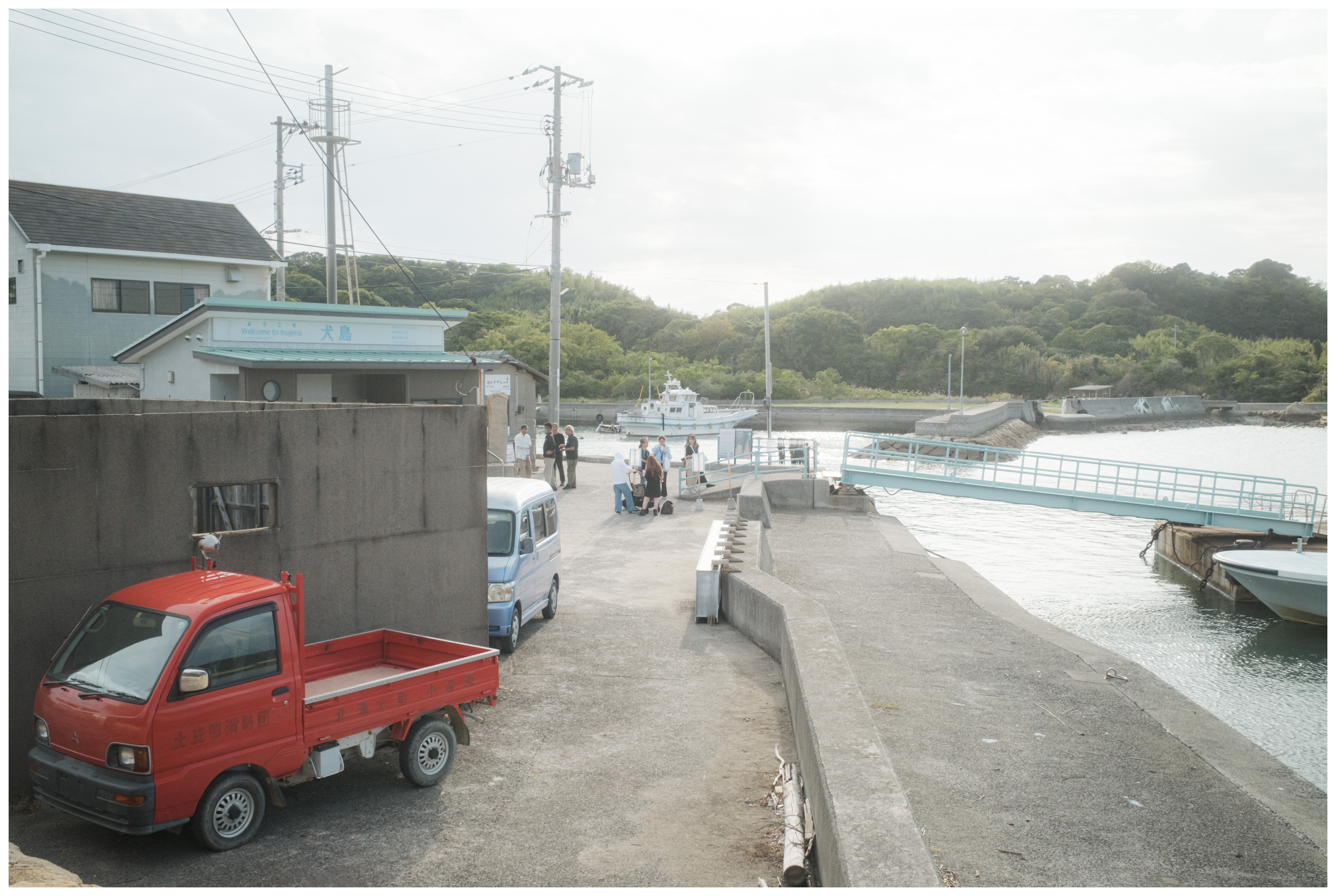
During our visit to the Setouchi Islands for the Triennale, we stayed in Takamatsu, a port town that serves the islands and also a few mainland ports. We chose an Airbnb apartment within walking distance to the ferry, so we were able to get in line for the first ferry to the islands each morning. There was always already a line. No matter how early we got there. 20% chaos and 80% orderly and well-organized. Everyone was trying to maximize their short time on the islands.
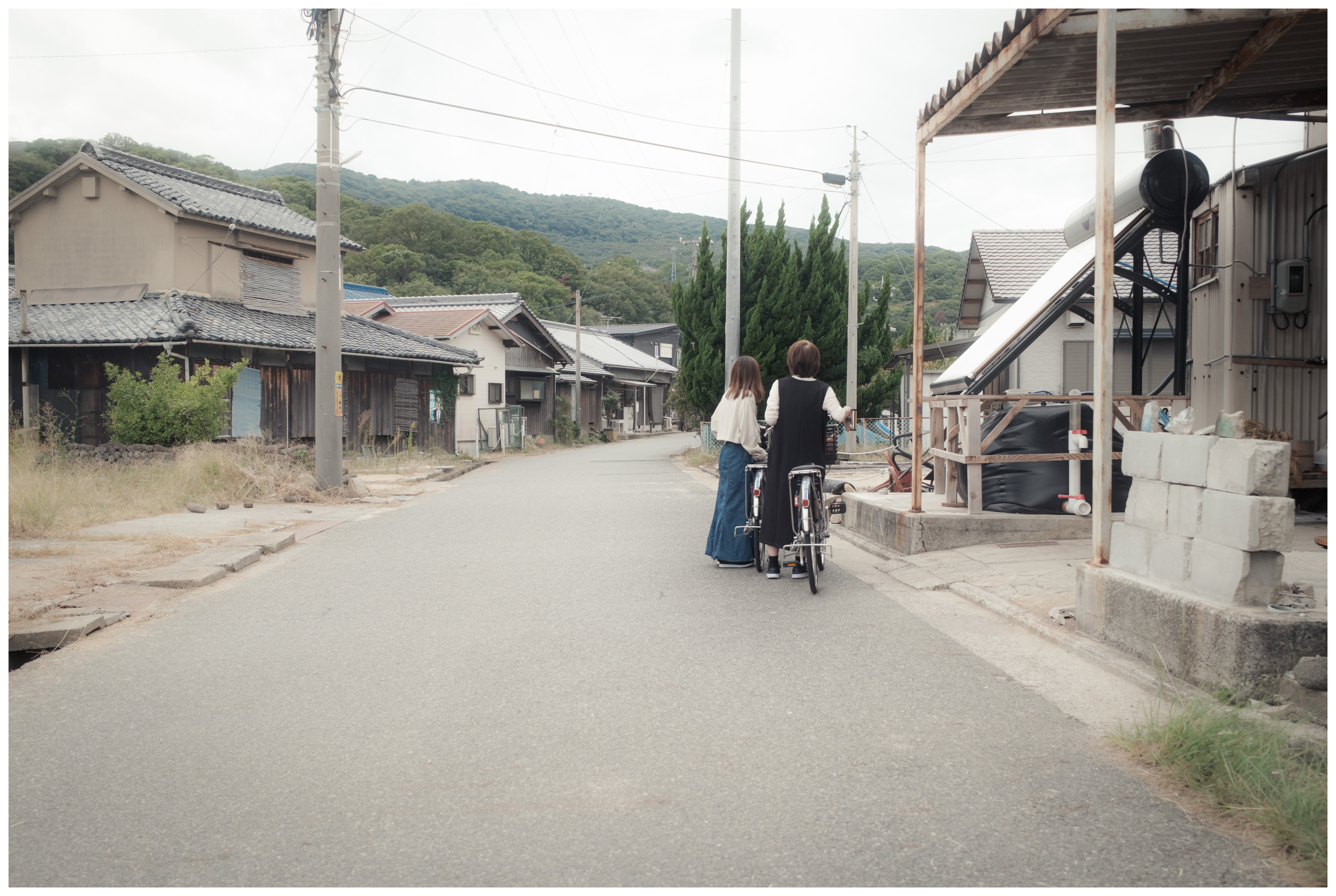
Once the ferry arrived on an island, and everyone had gotten the bikes that we had to reserve months ago, we would all fan out to our various museum reservation/time slots. The feeling once the crowd dissipated made the islands very enjoyable.
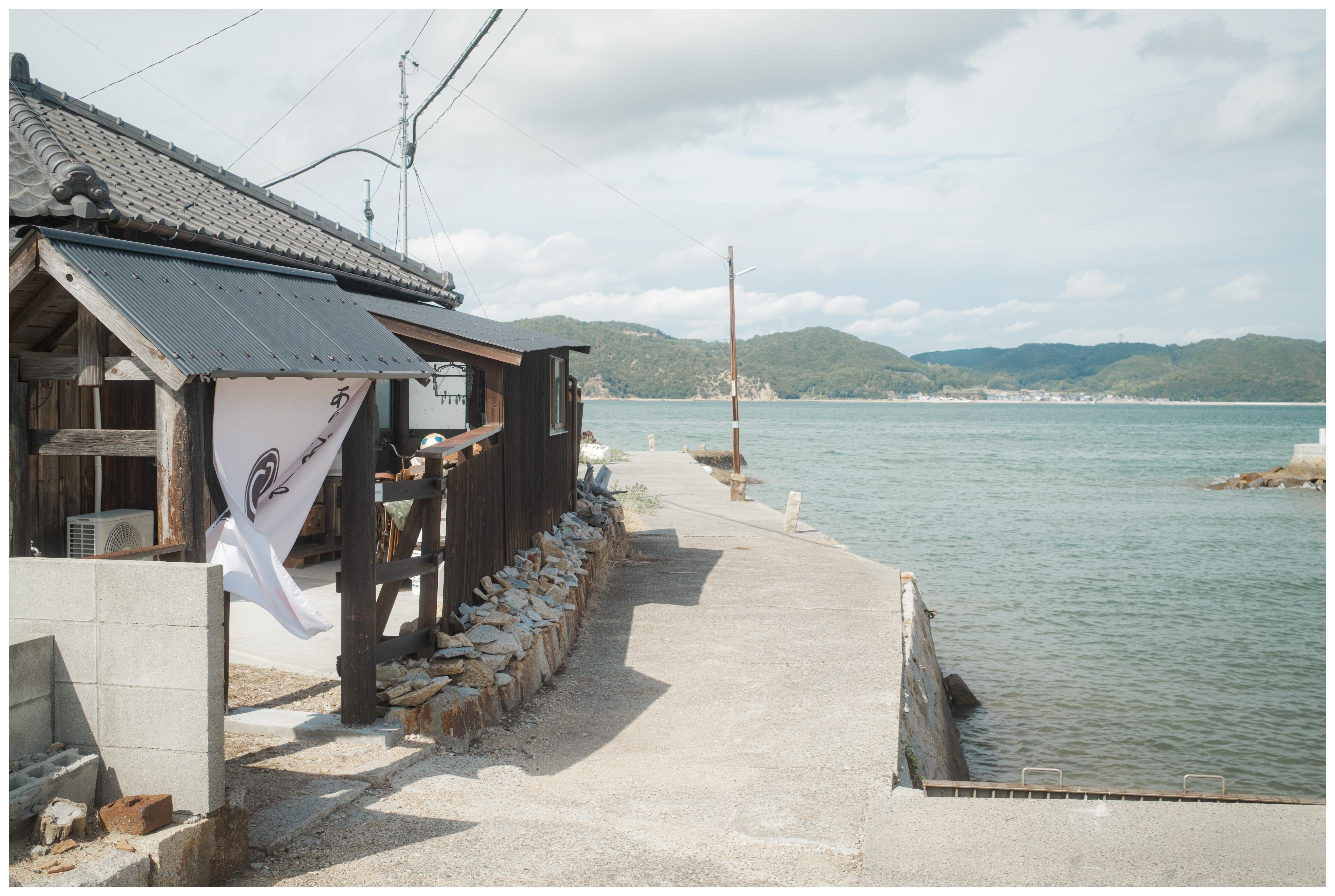
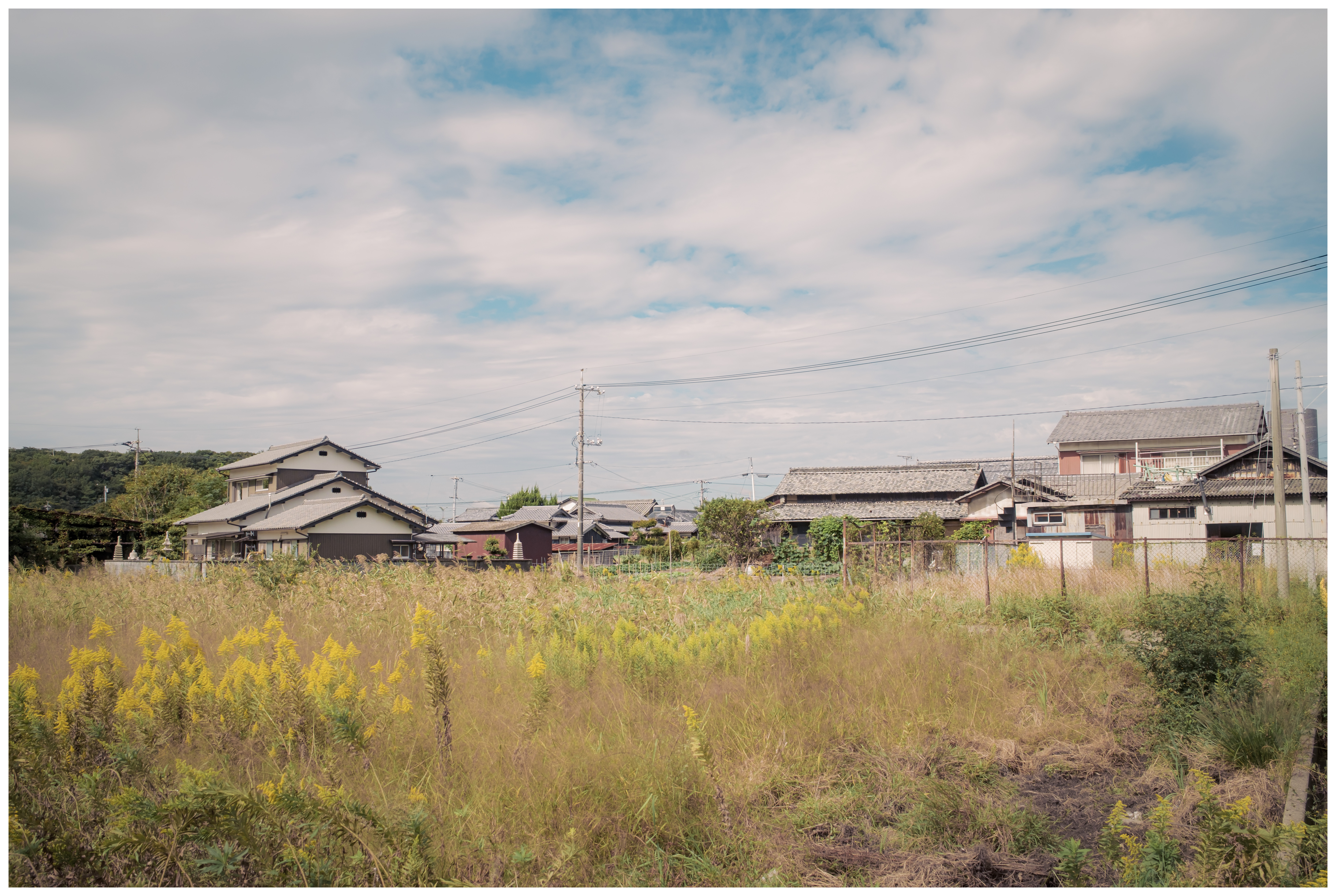
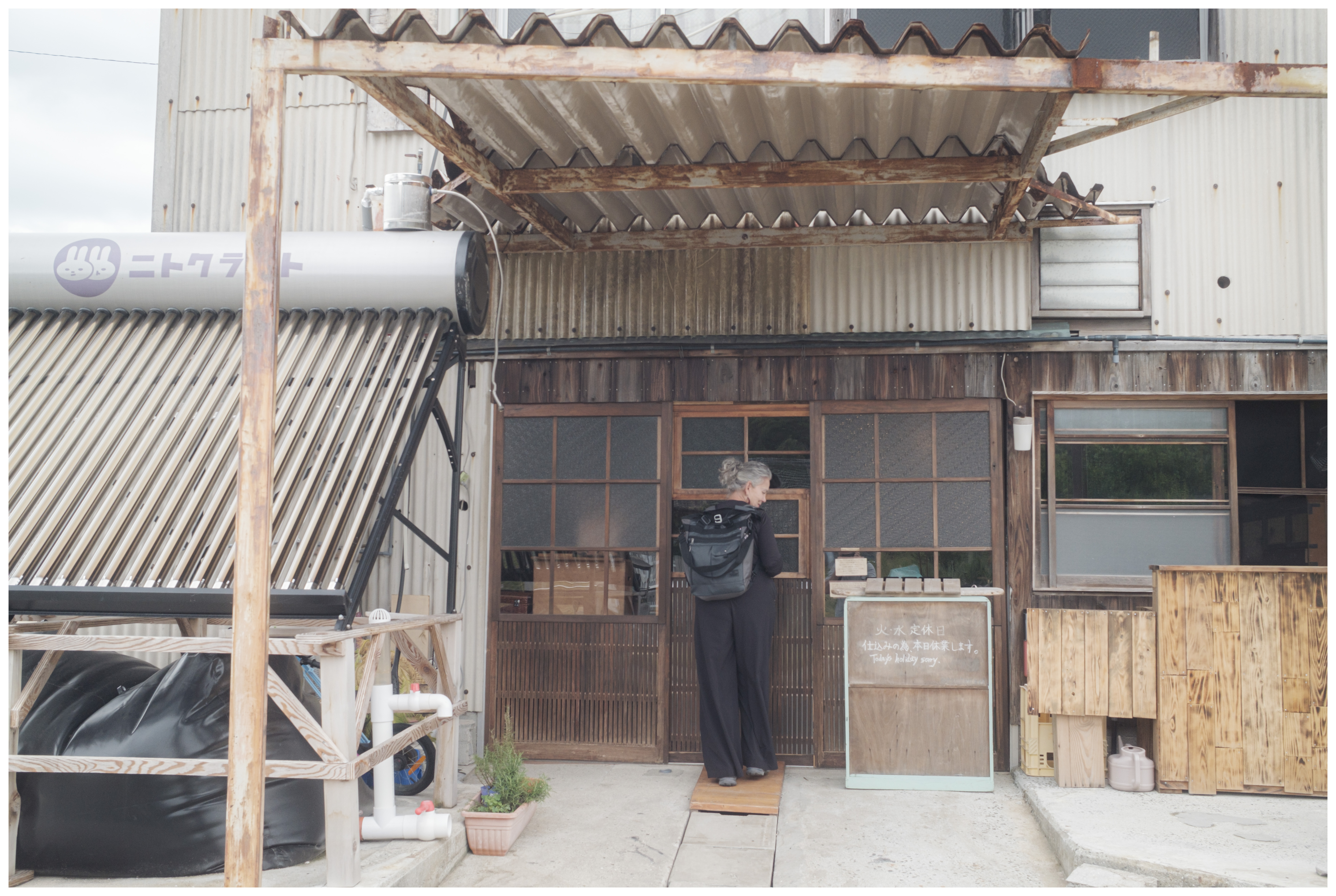
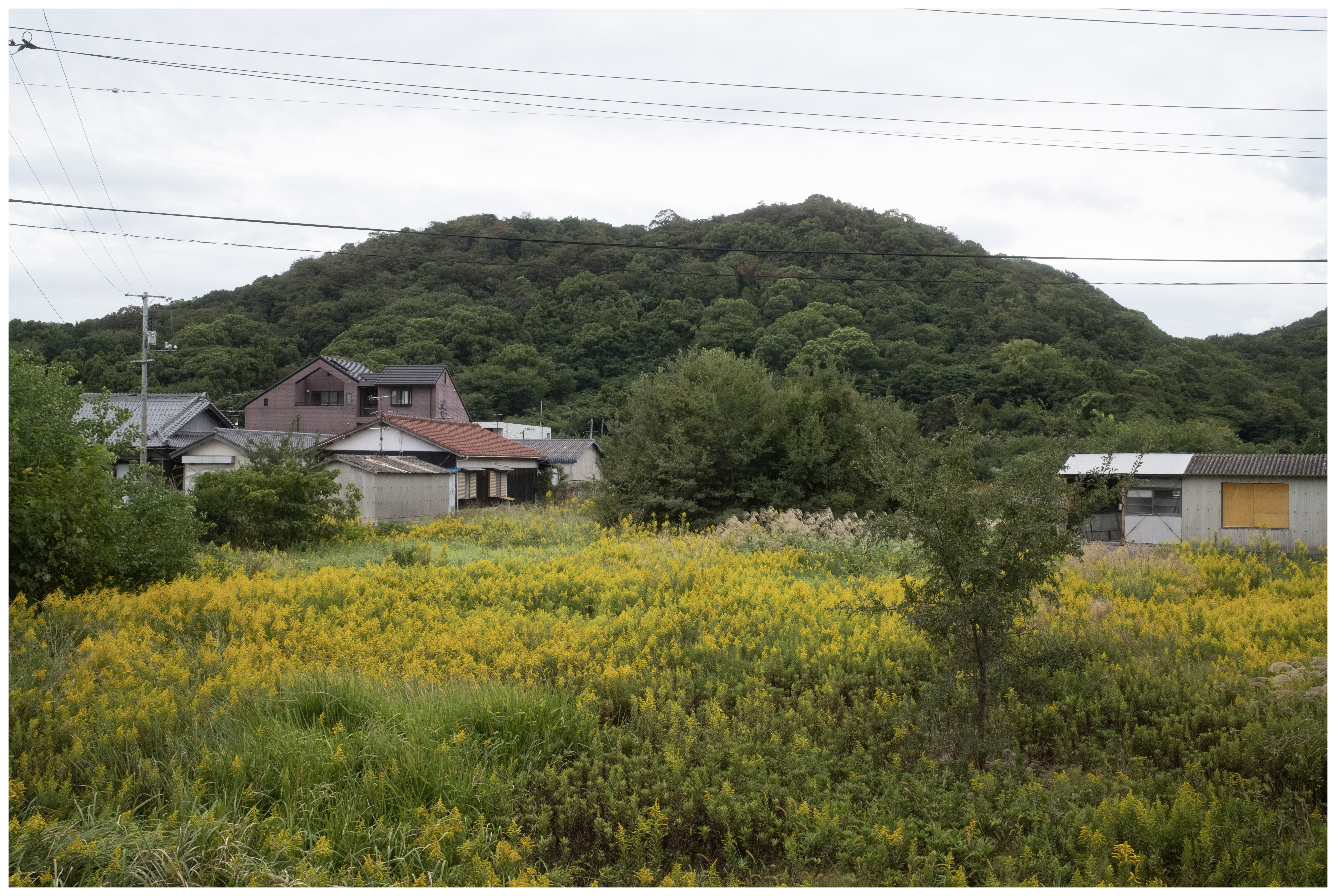
These islands are very small and most have benefited in various ways from the development of the museums and the triennial. There were still some old and abandoned houses and buildings, but there were a lot of other places that were renovated and established after the art-hunters had arrived. We always found a small place for a bite to eat or an ice cream cone, and once even a cocktail food truck. We had been warned during our research and through the Triennial app that there was few lunch options on the islands, but we found that the larger Benessee Museums had delicious lunch options served with beautiful vistas, and they were really not that crowded by the time we decided to eat.
We were always impressed with how the crowds were managed, how expectations were set and how orderly everything was. Most of the museums and exhibits we visited and all of the bikes had required reservations months in advance. Reservations were either for a specific time or for a specific day. This kept crowds to a minimum, and spaced visitors out, which allowed everyone’s experience to be the best possible one. Lots of rules, but they ensured the best experience for everyone.
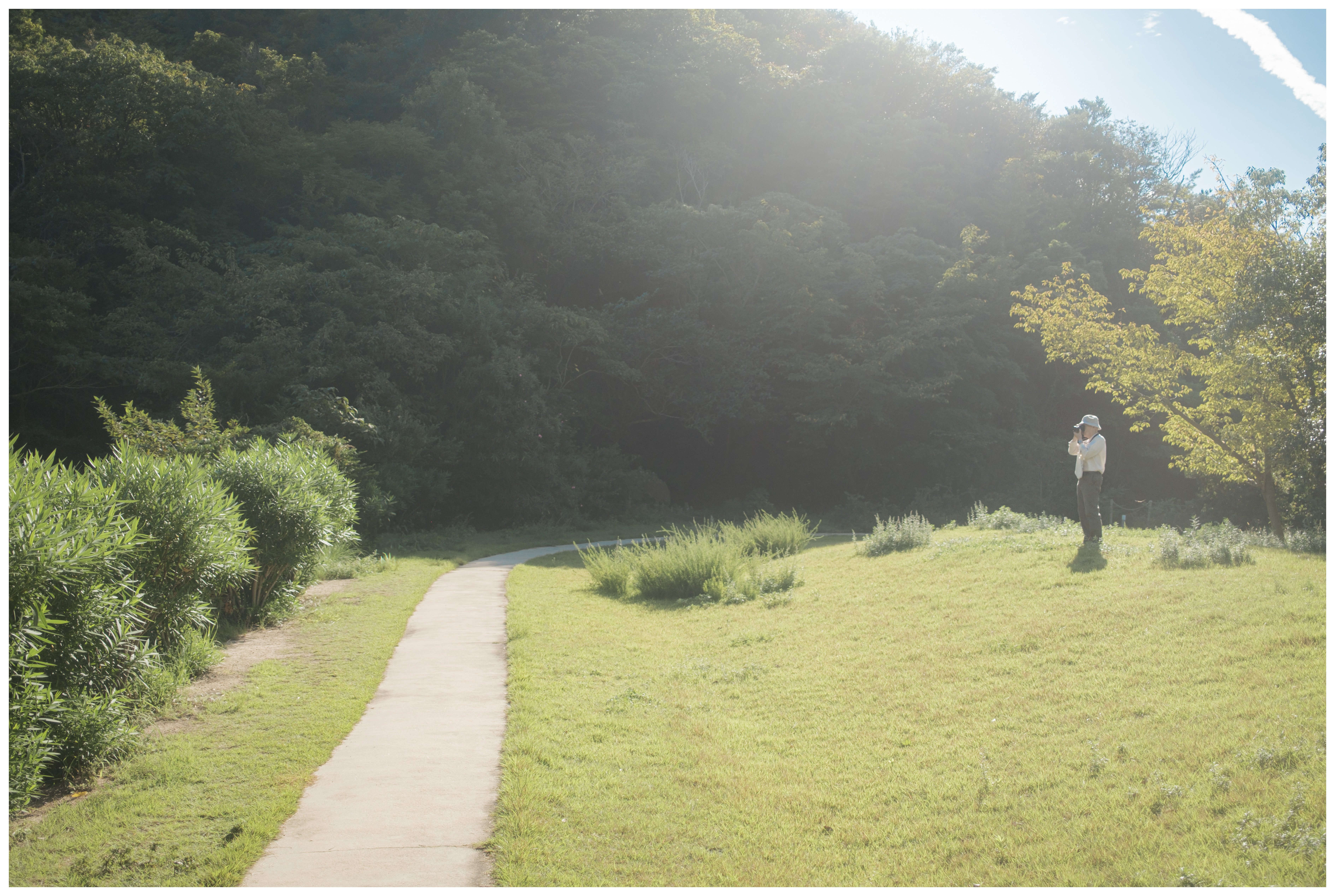
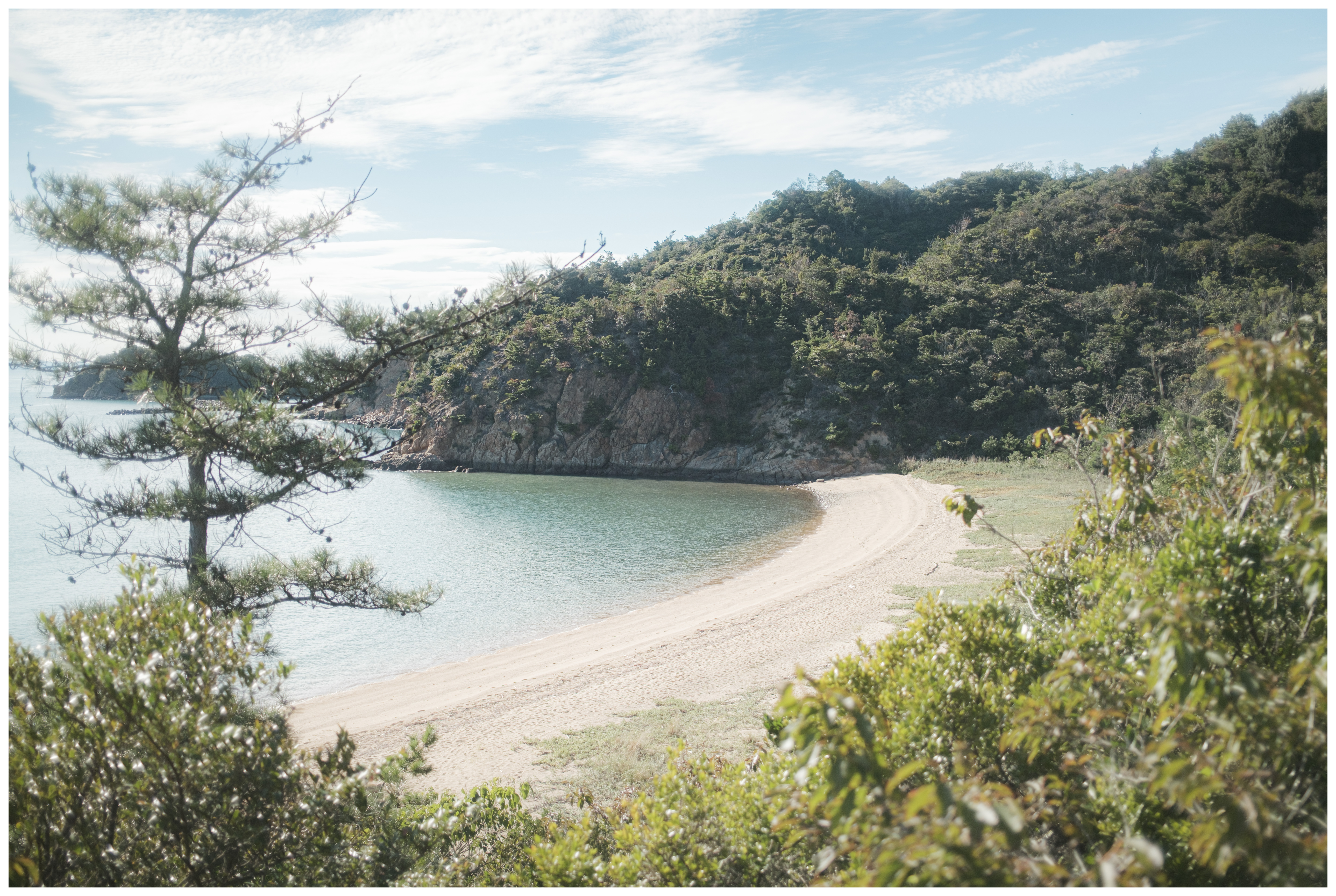
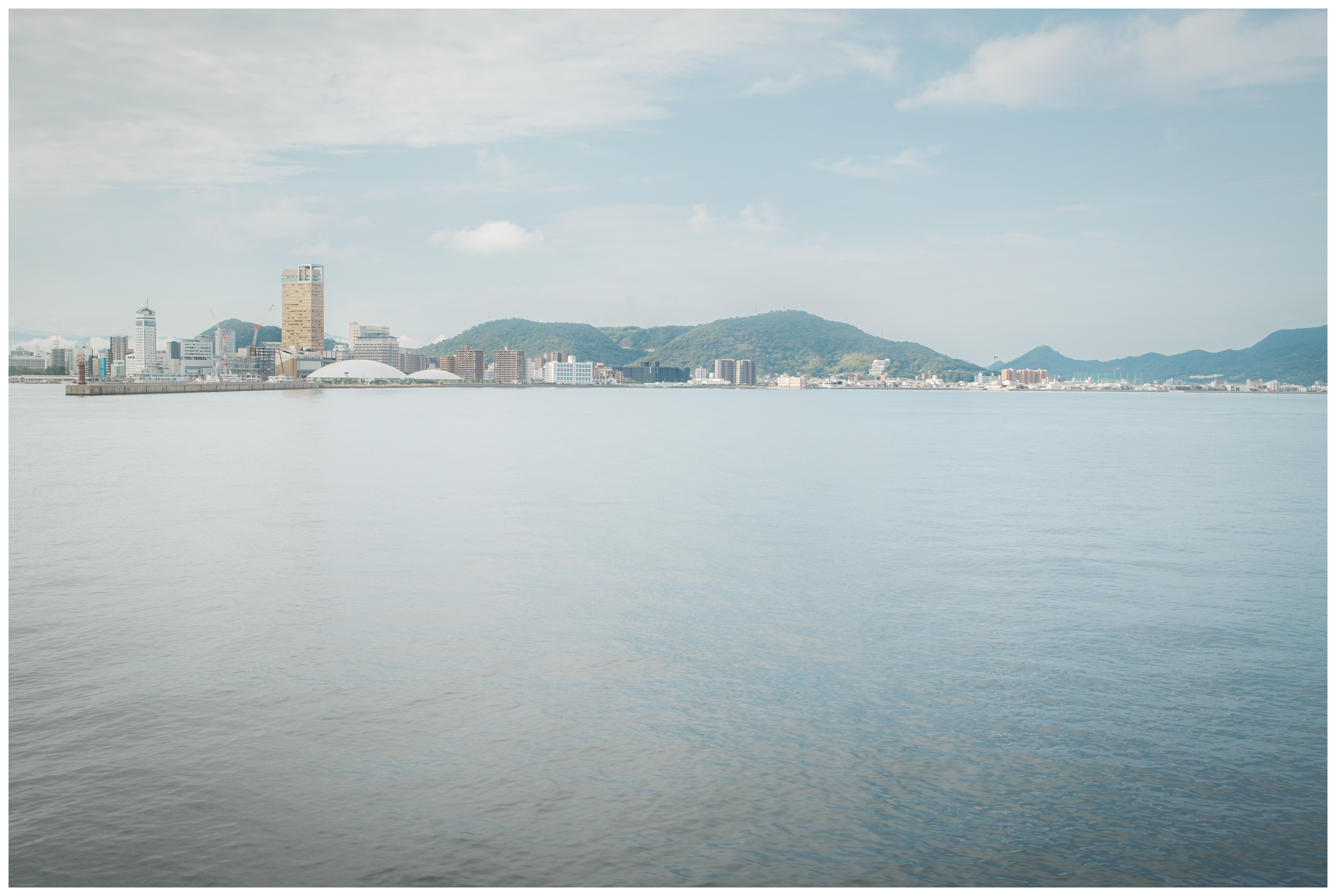
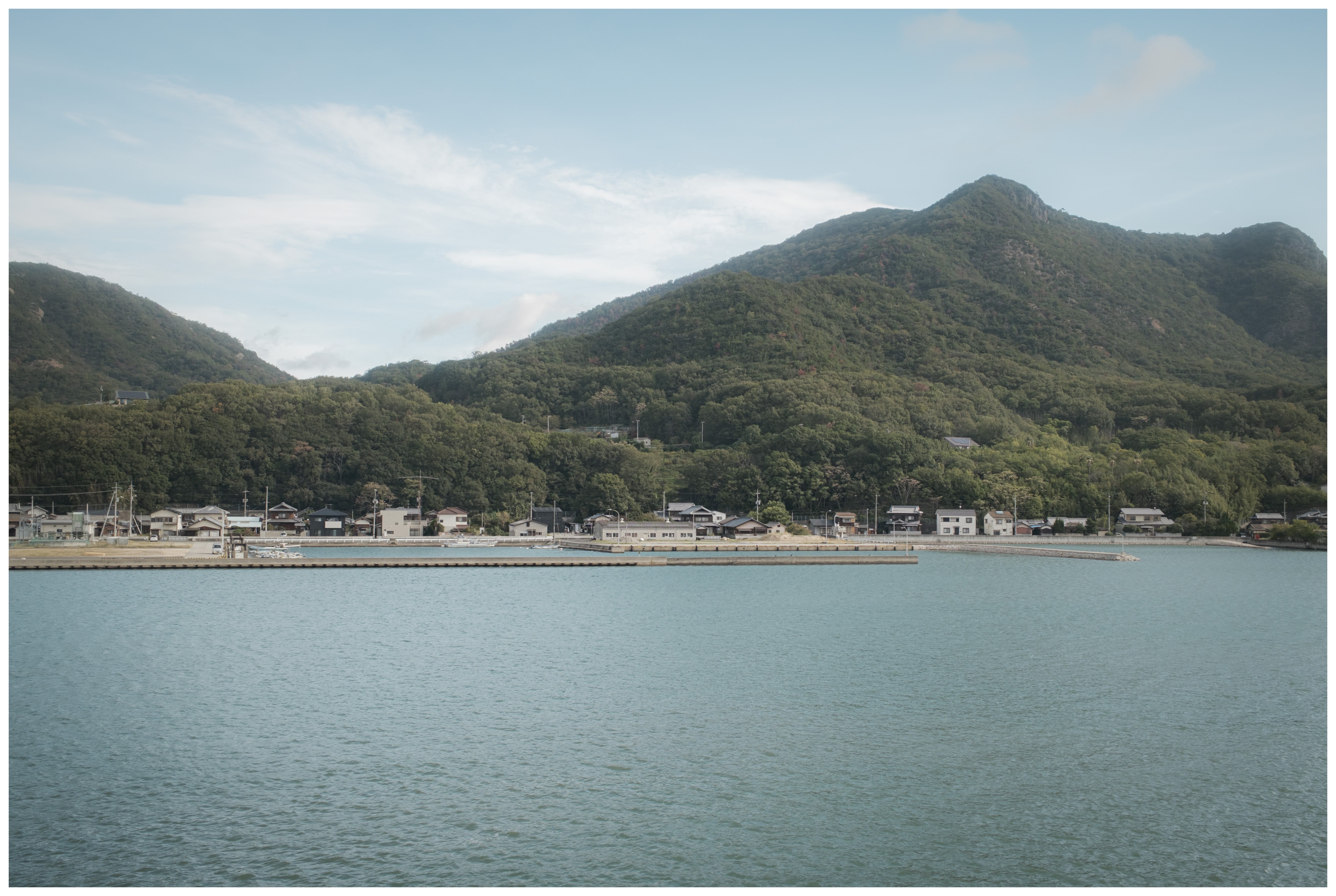
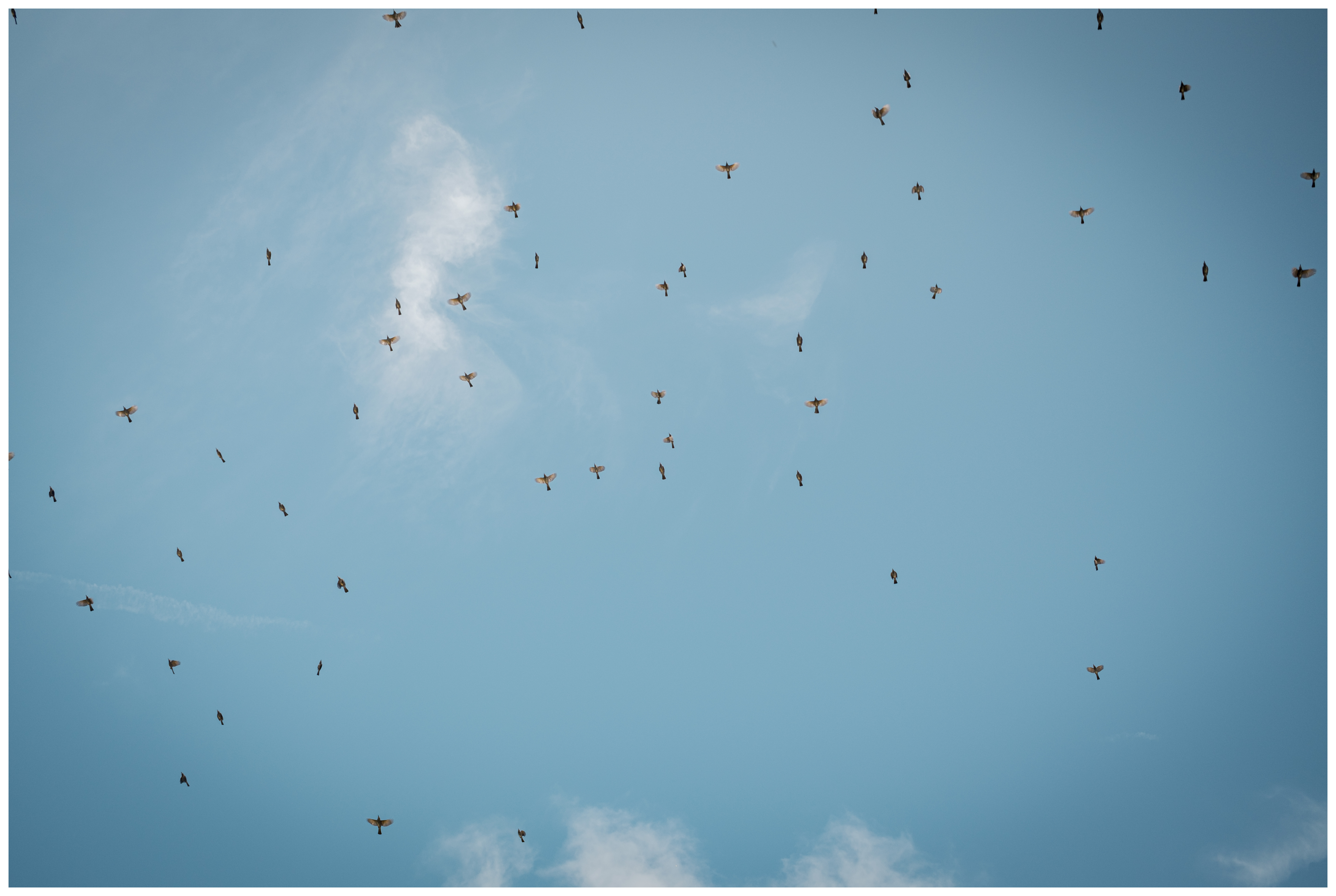

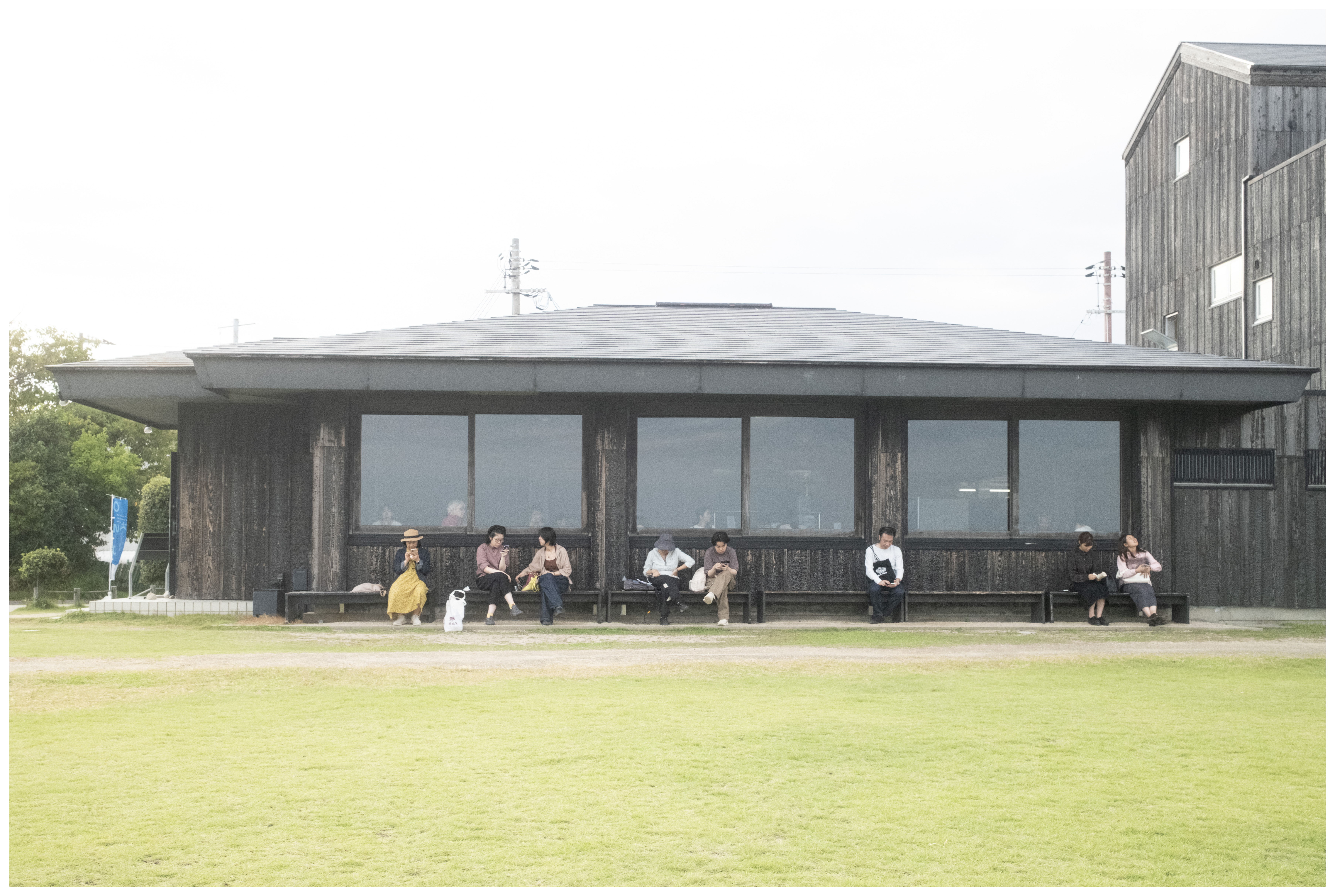
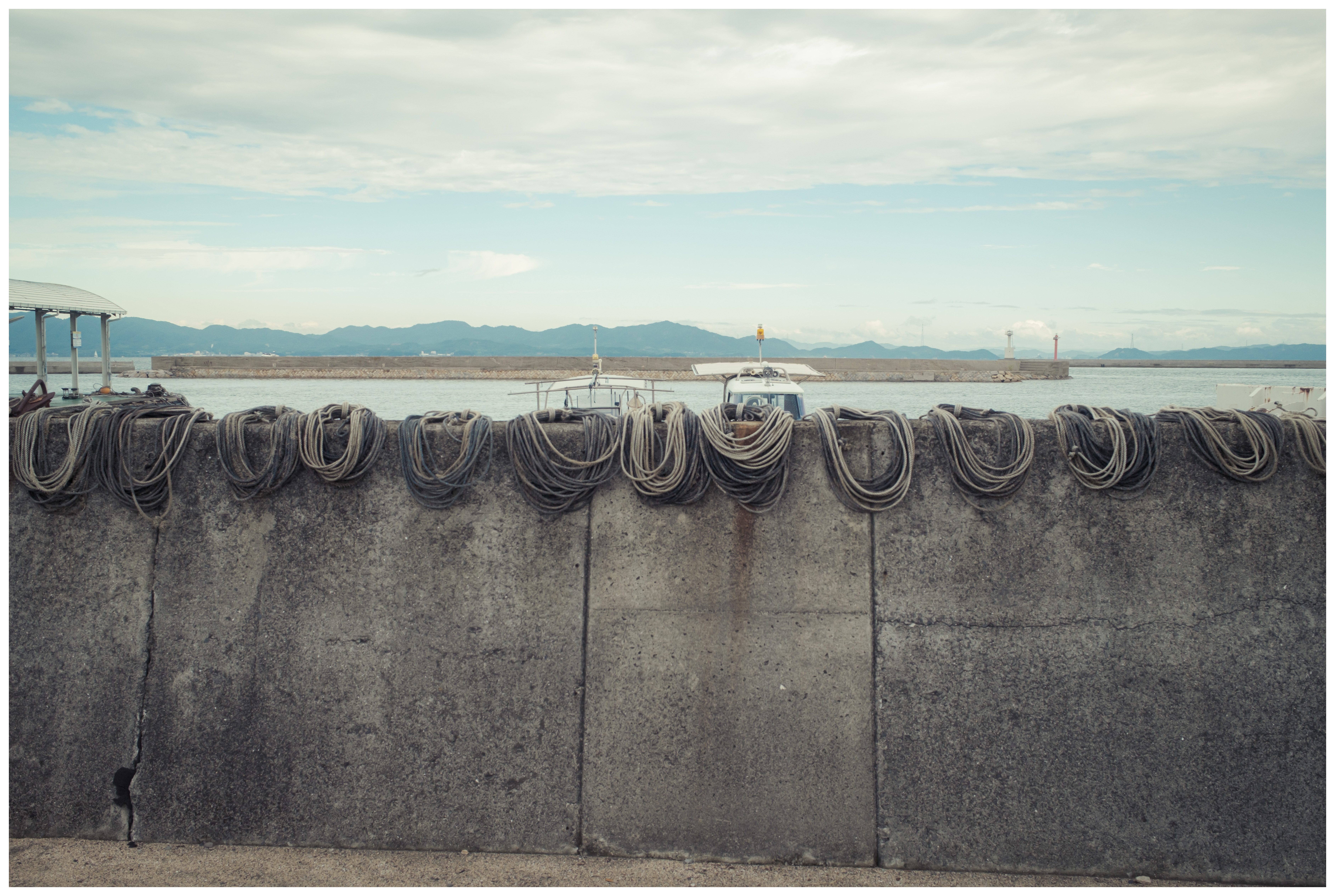
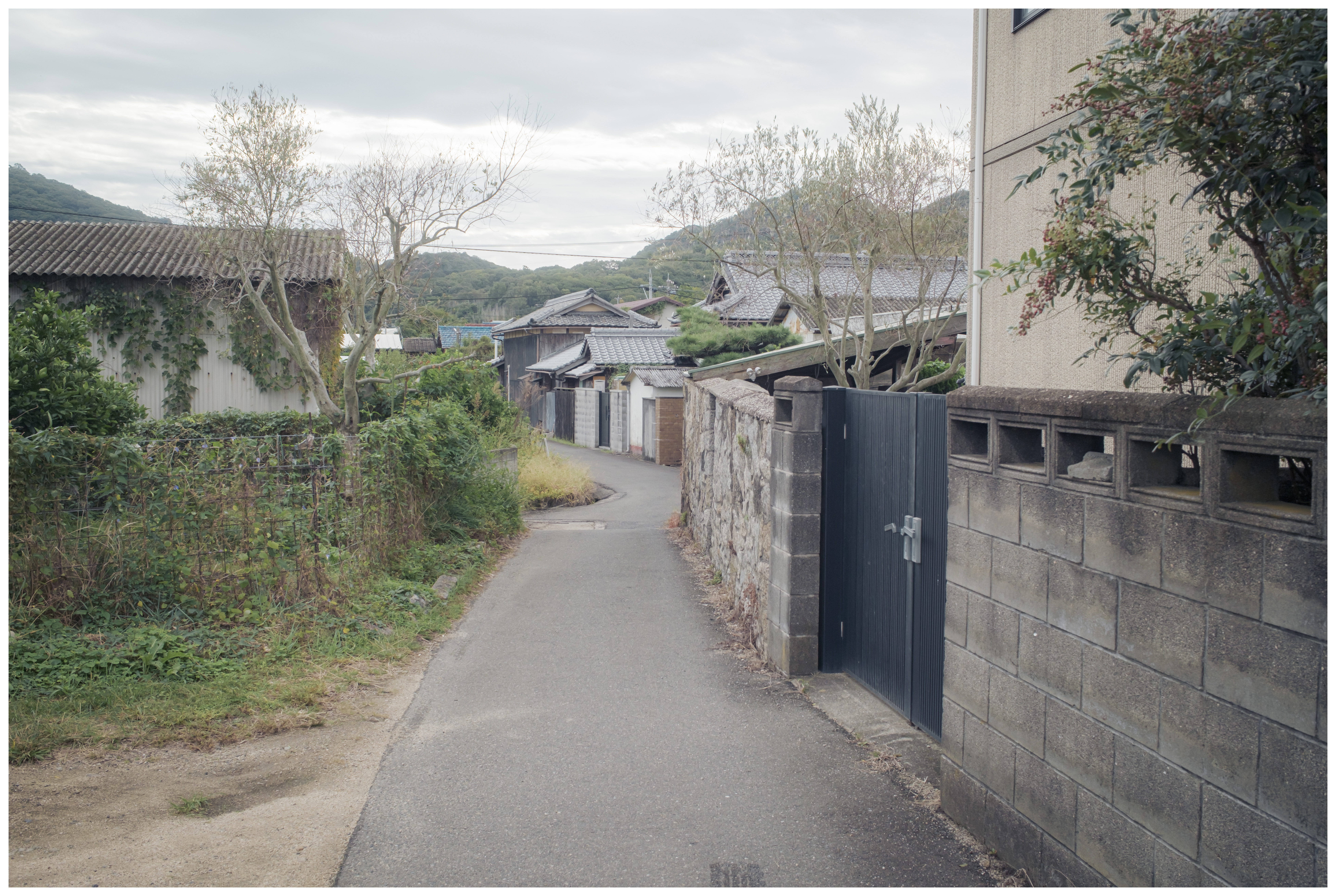
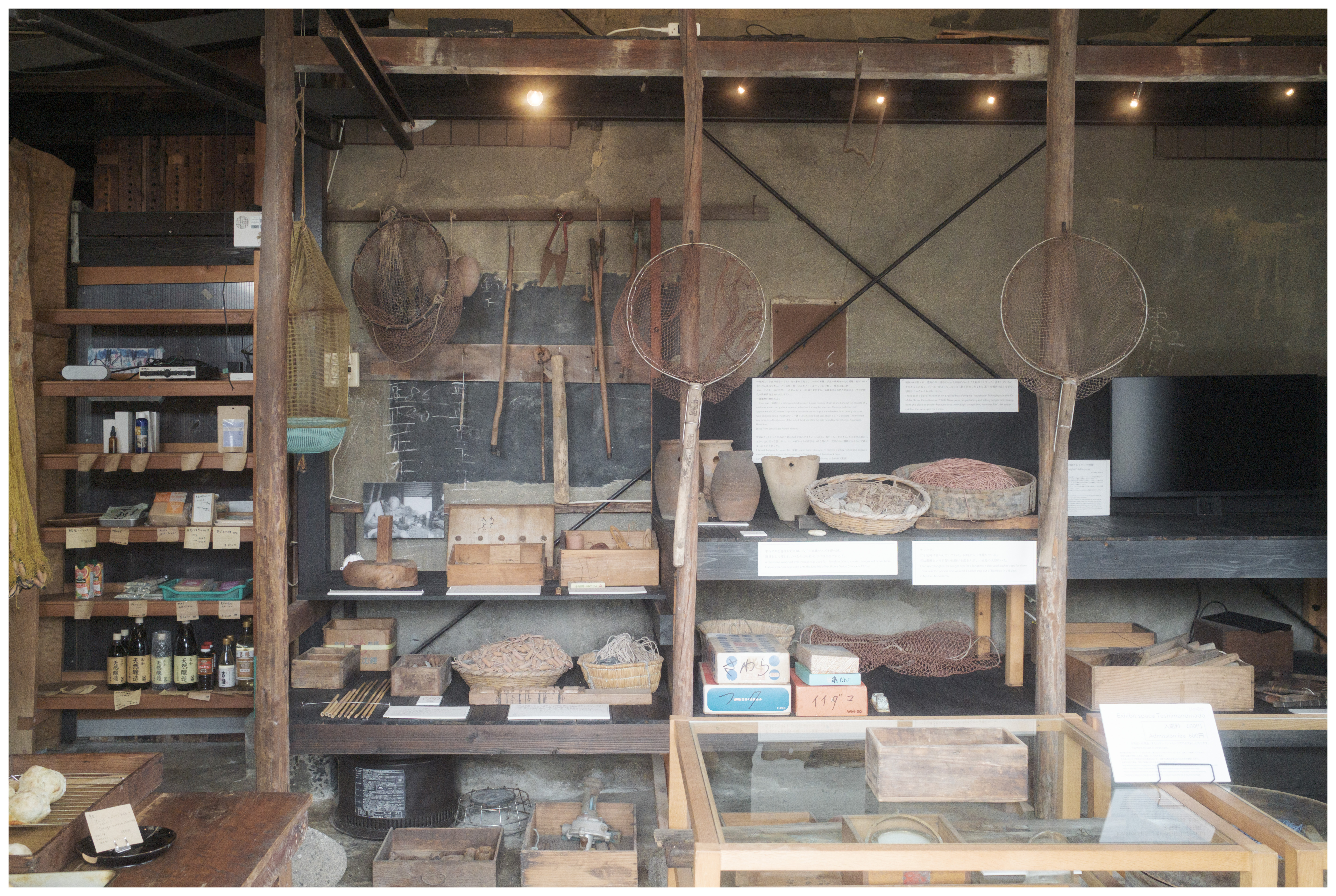
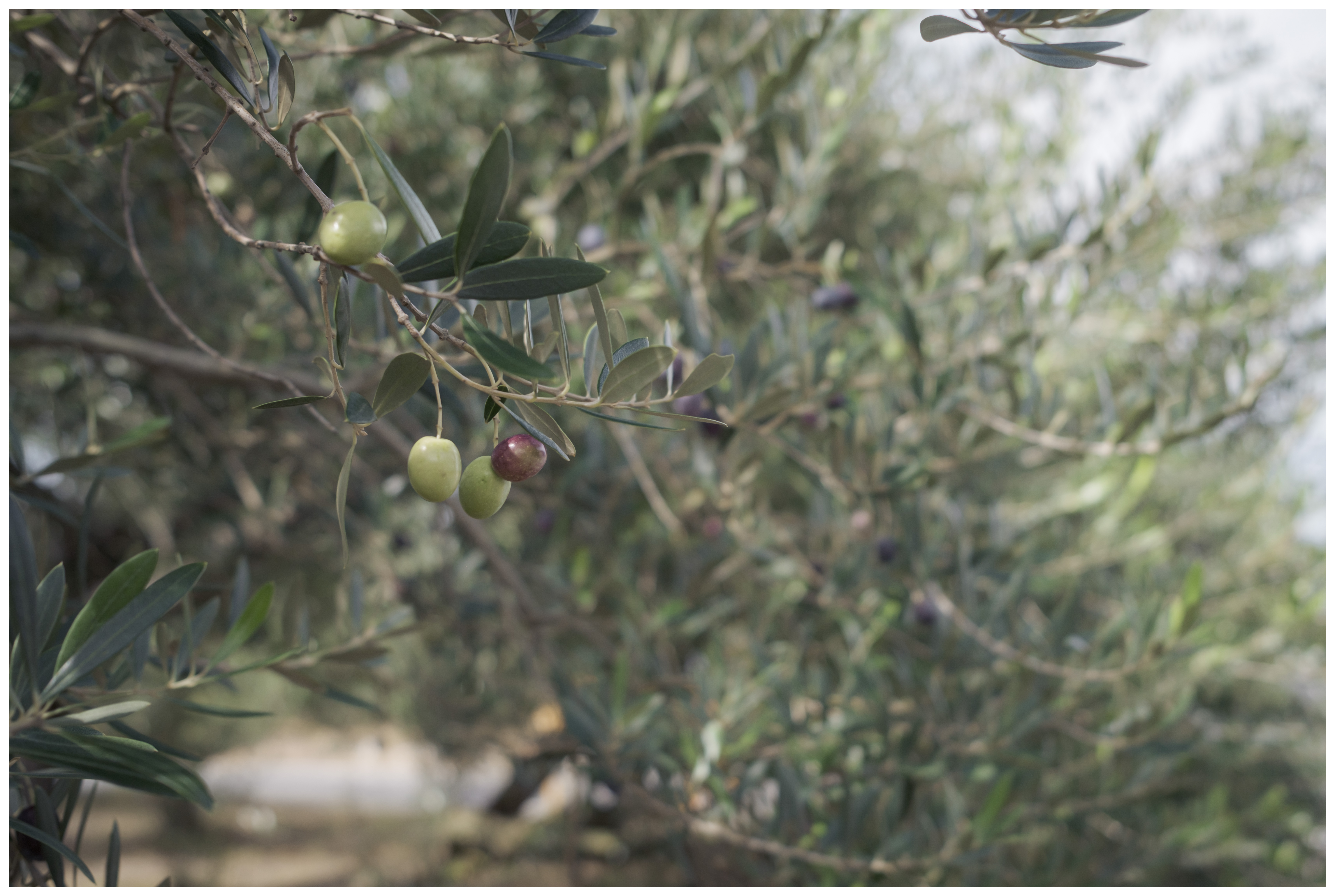

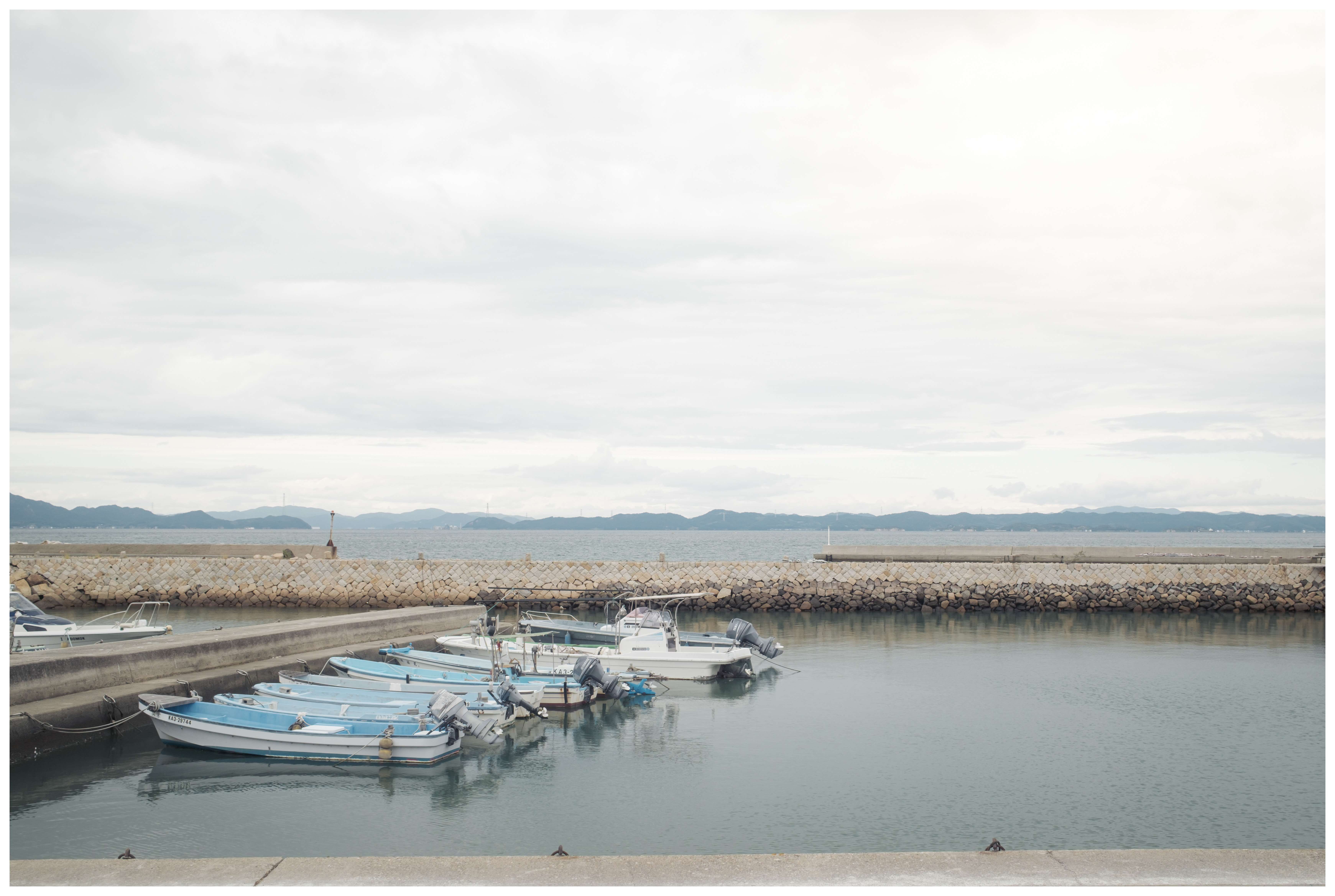
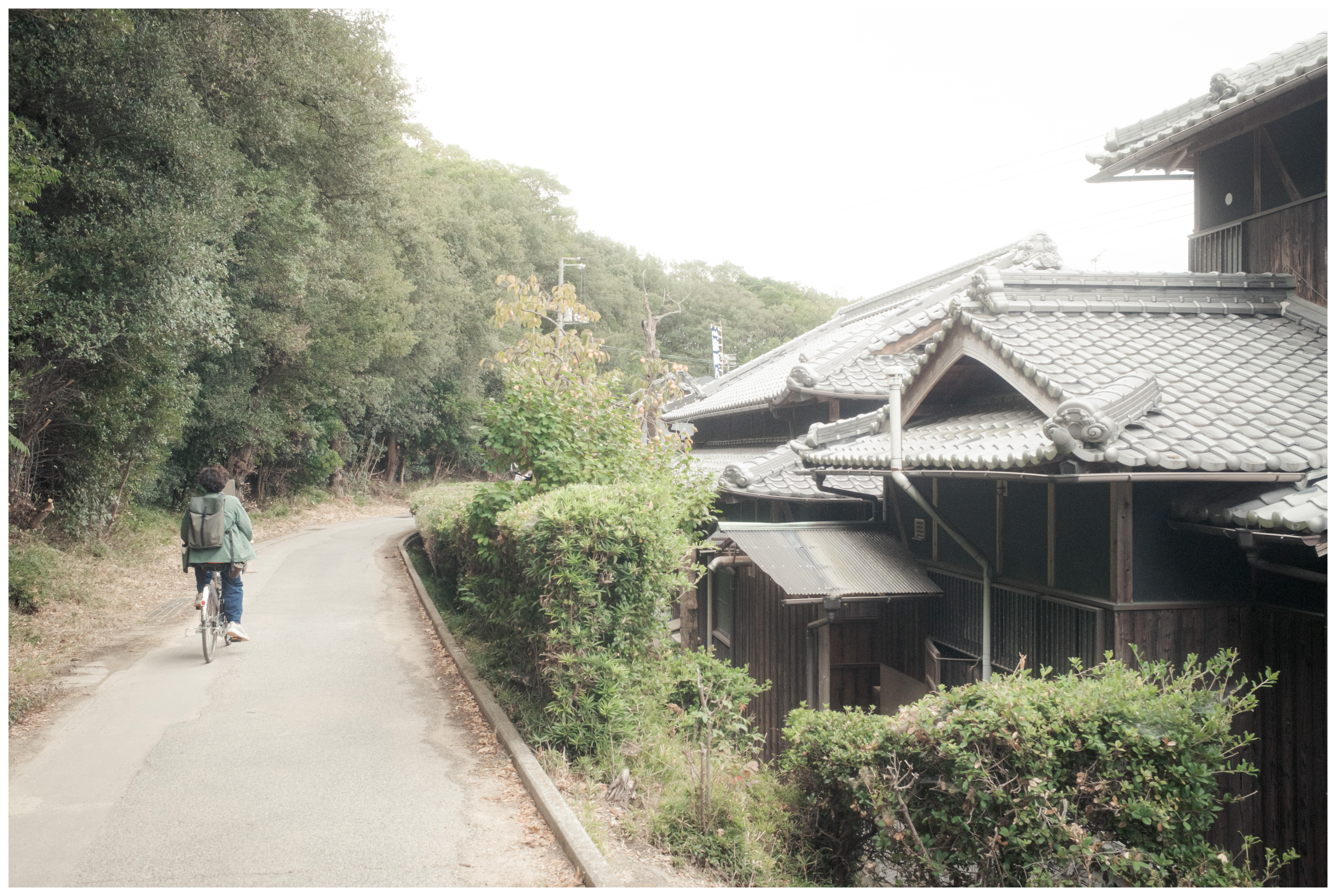
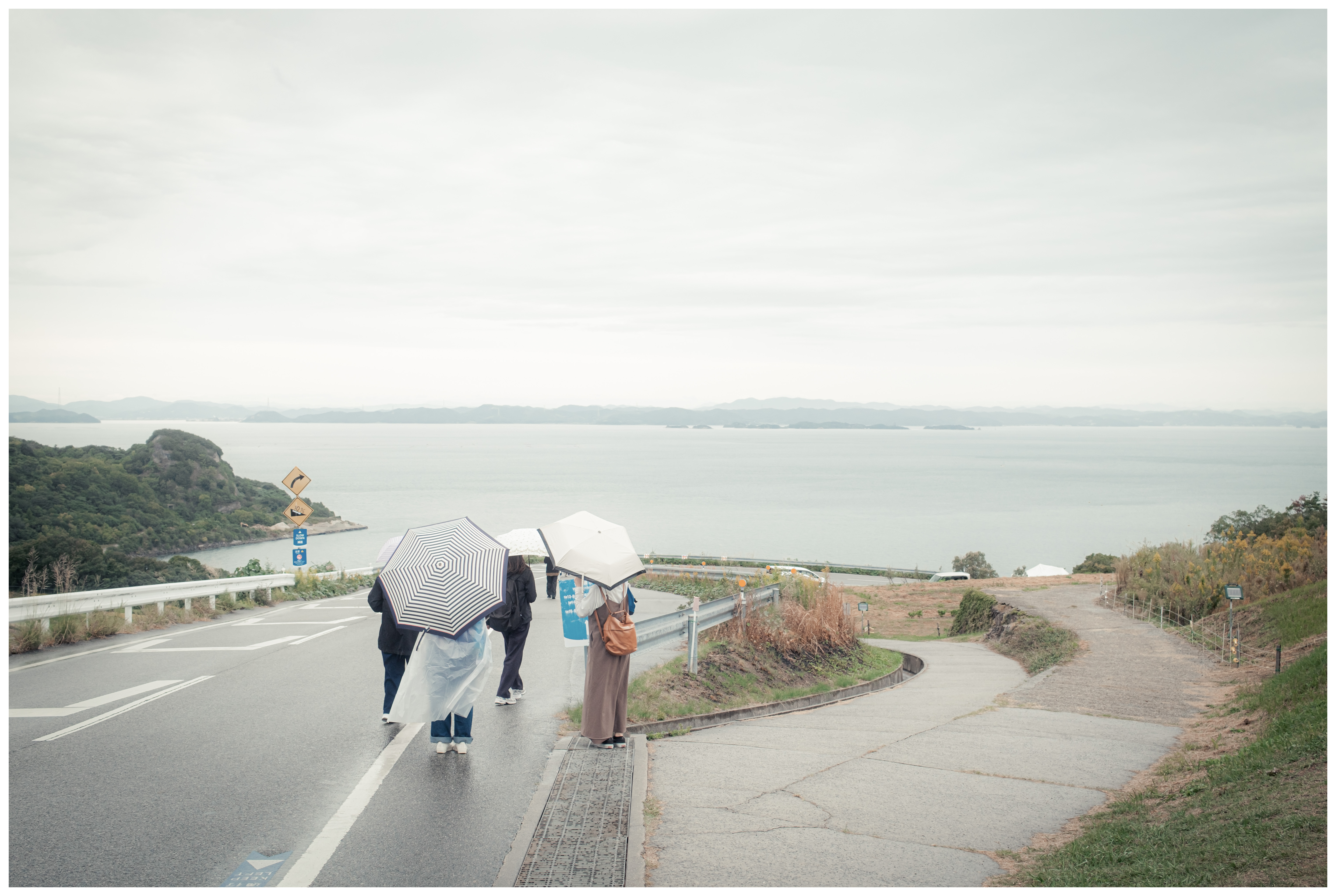
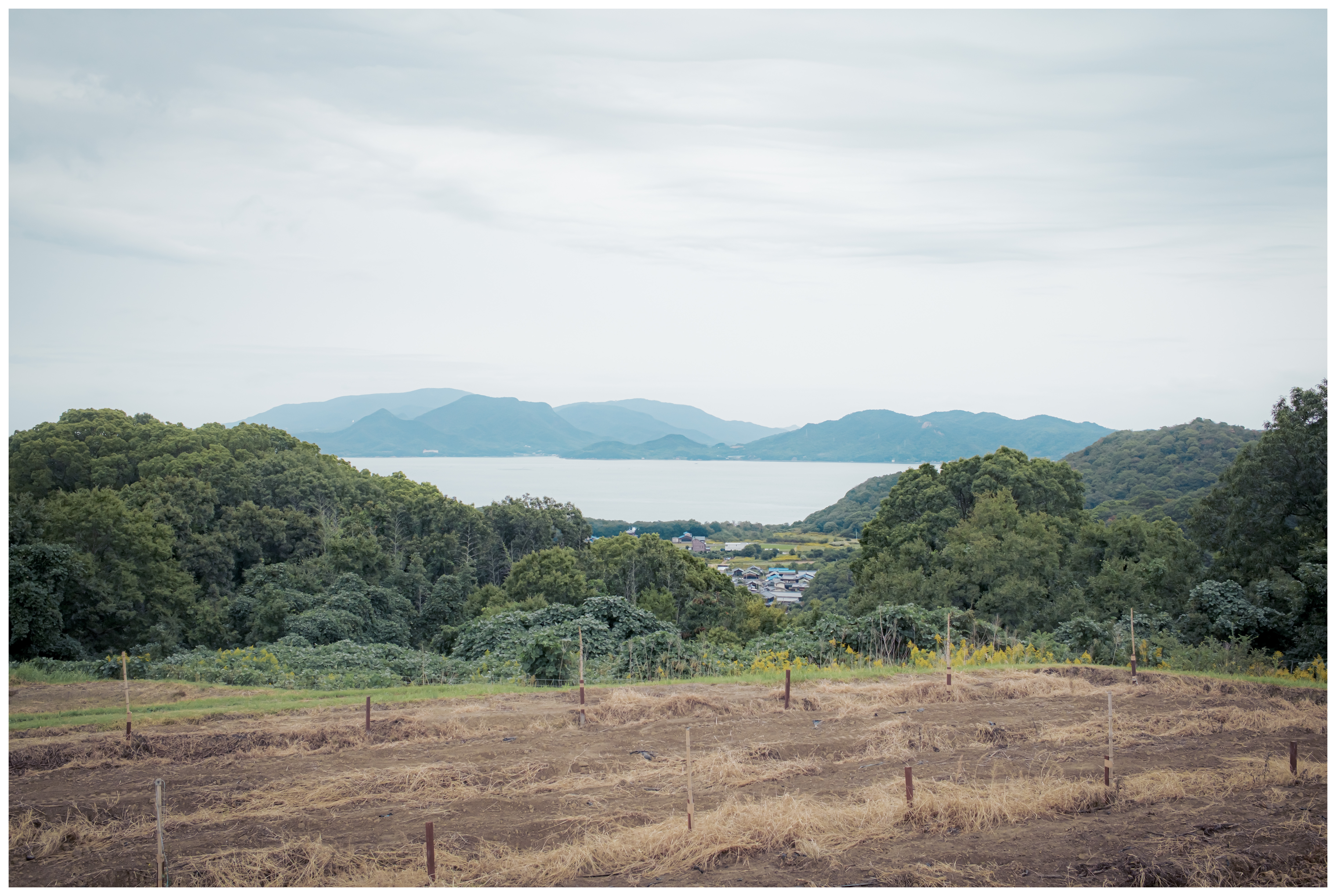
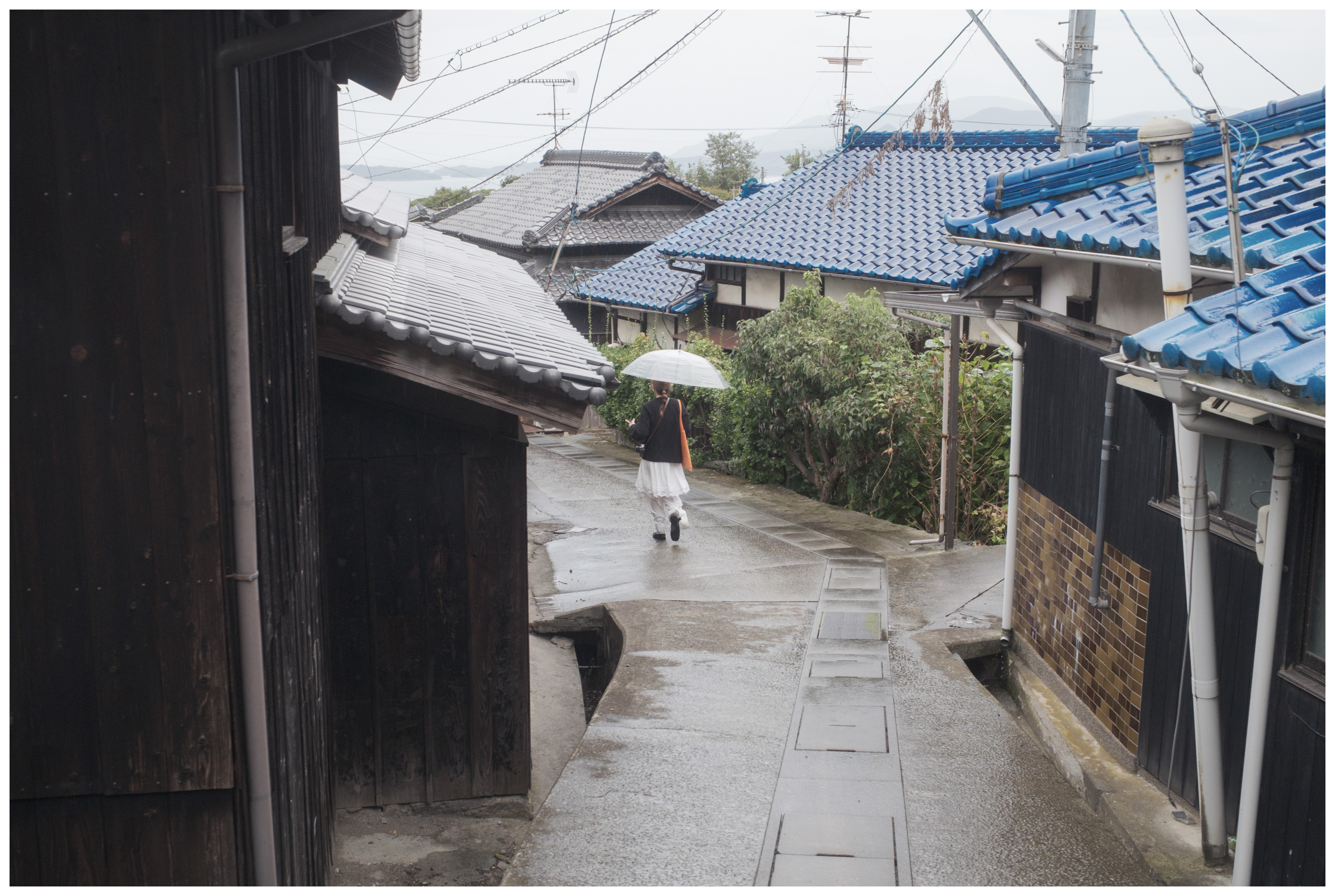
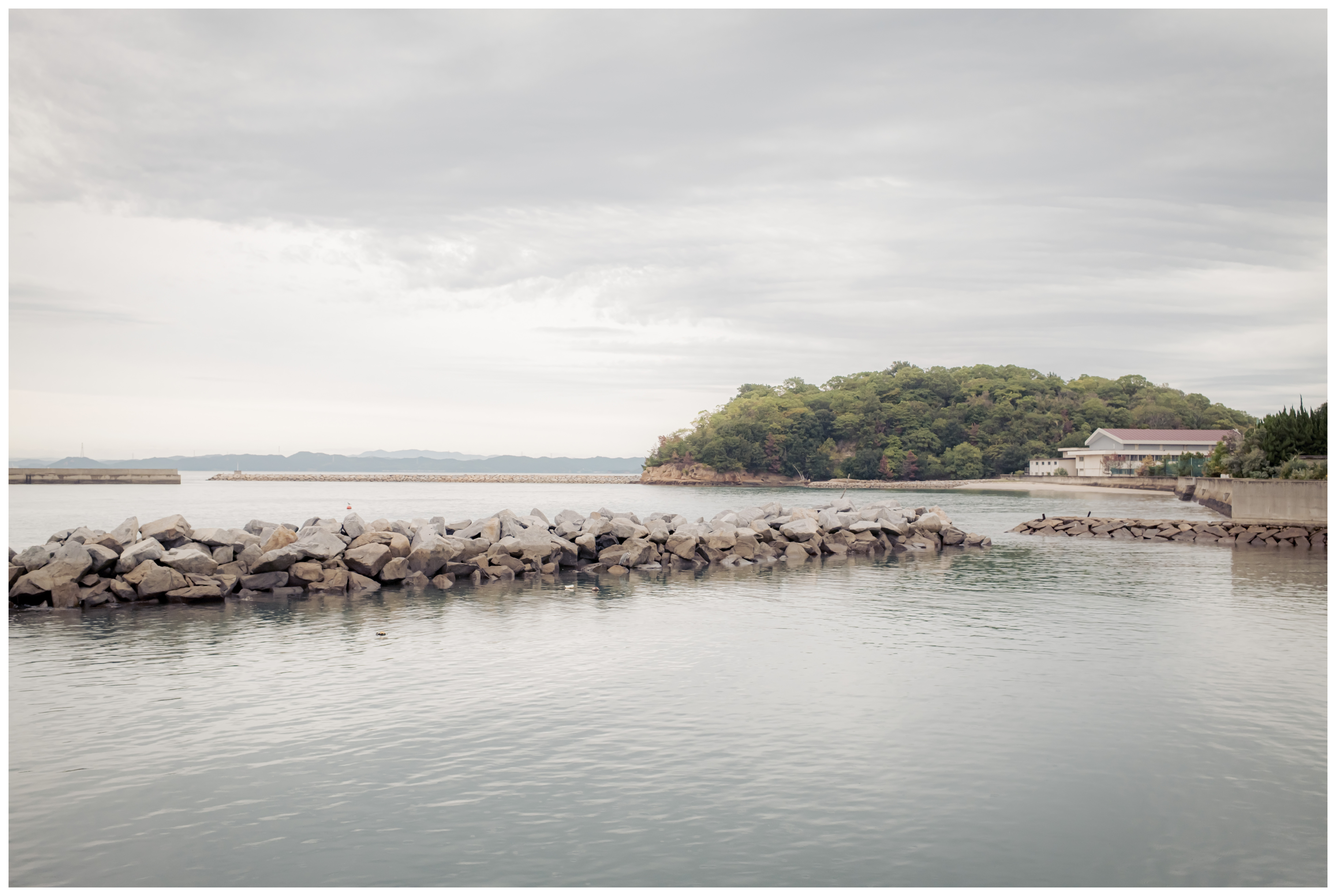
This post has a lot of photos in an attempt to capture the feeling of the islands, separate from the experience of the museums — even though the two have, in many ways, become inseparable.














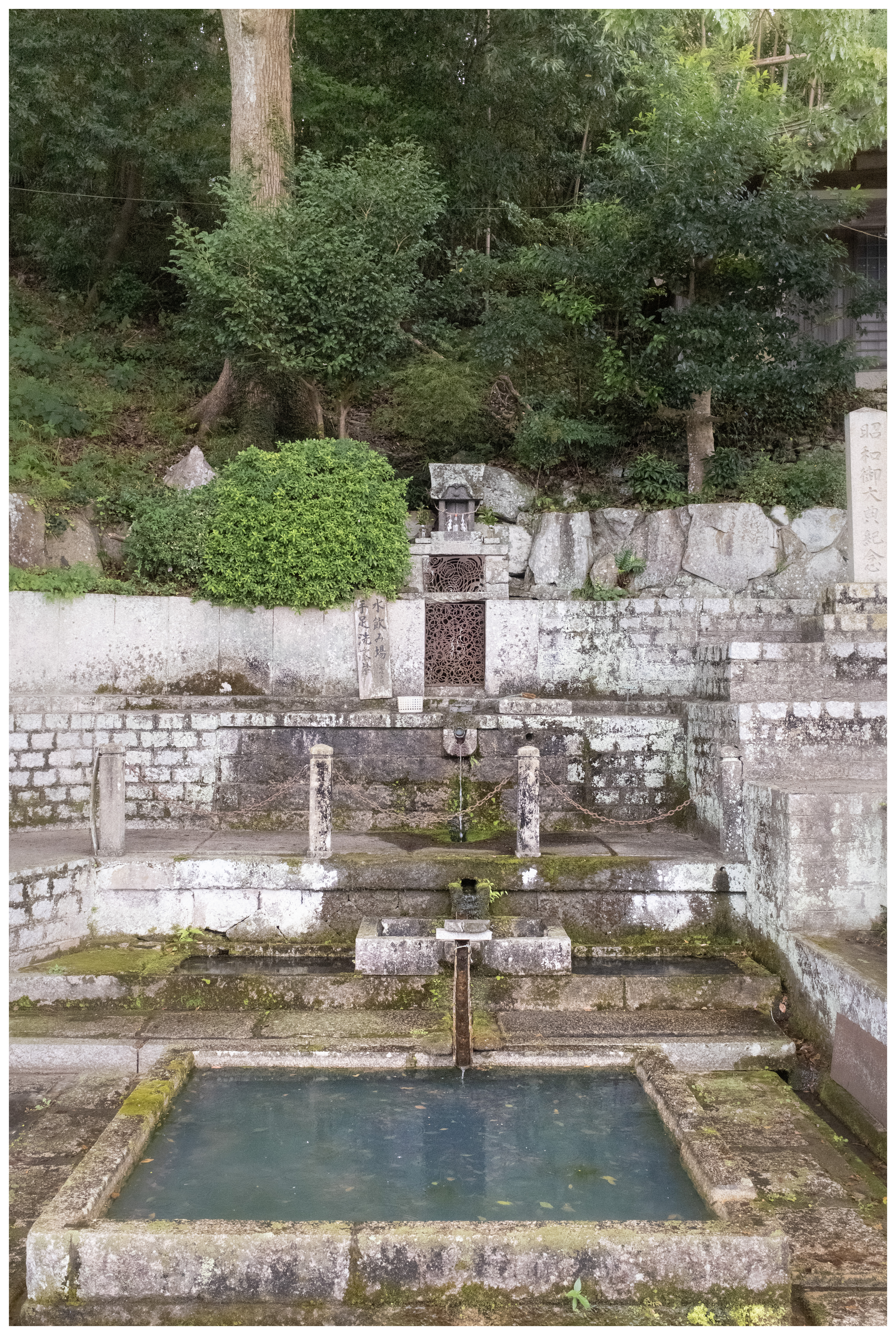
While walking across Tishima island we stumbled upon these spring fed pools constructed of elaborate three-tier stone basin with a small protective shrine at the top. Water pours from a carved stone face into stepped terraces covered in moss, finally collecting in a rectangular blue pool. The whole structure sits quietly against a wooded hillside above Karatani Village.
The spring’s upper basin held sacred or drinking water, while the middle basin was used for washing food, tools, and vegetables. The lower basin collected the excess, sometimes for animals. A small shrine watched over the source, protecting the purity of the water and the Kami believed to dwell there.

 Observed